MUNNAR NEWS
Nilgiri Barberry Makes a Comeback in Munnar’s Forests
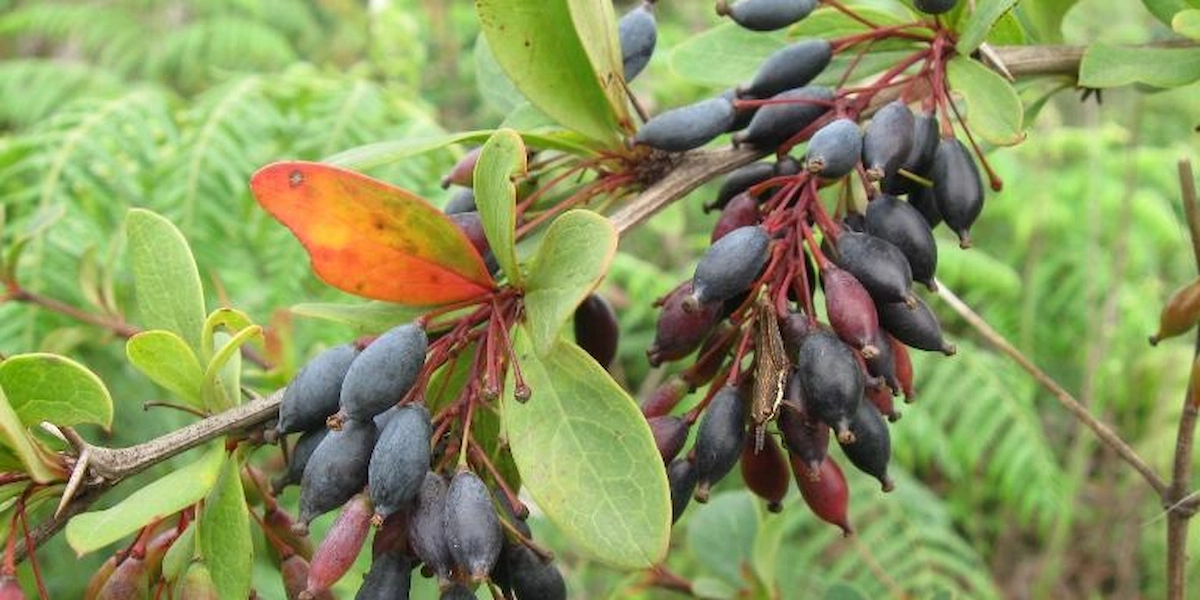
Munnar, September 2026: A rare native plant that had disappeared from parts of Munnar’s forest landscape is making a comeback through an ecological restoration initiative led by the Kerala Forest Department in association with the Kerala Forest Research Institute (KFRI).
The conservation programme has brought back Berberis tinctoria, popularly known as Nilgiri Barberry or Kozhikkal Mullu, to the Gundumala region under the Munnar Forest Division. The restoration spans 52 hectares, where teams removed invasive wattle and pine trees to recreate natural grassland habitats.
The initiative aims not only to restore the plant but also to revive the wider high-altitude ecosystem. The return of native grasslands is expected to improve habitat conditions for birds and other wildlife that depend on the area's natural vegetation.
According to forest officials and KFRI researchers involved in the project, the barberry is particularly valuable to local biodiversity. Its fruits are consumed by birds and wildlife, while the plant has also been traditionally valued for its medicinal properties.
The saplings used in the restoration programme were raised from seeds collected from the Mukurthi National Park area near Ooty. The Forest Department nursery in Munnar germinated the seeds before planting them in the restored forest landscape.
The restoration of the Gundumala grasslands is also part of a broader effort to address the ecological changes caused by the spread of commercial wattle and pine plantations. According to the Forest Department, the expansion of these invasive plantations had altered the natural character of the landscape, affected water sources and reduced the availability of natural food for wildlife.
The reintroduction of Berberis tinctoria adds another dimension to Munnar's ongoing biodiversity conservation efforts, particularly as the hill station continues to attract visitors interested in its unique flora, wildlife and high-altitude landscapes.
Related News