MUNNAR NEWS
New Wild Coriander Species Discovered in Western Ghats Around Munnar
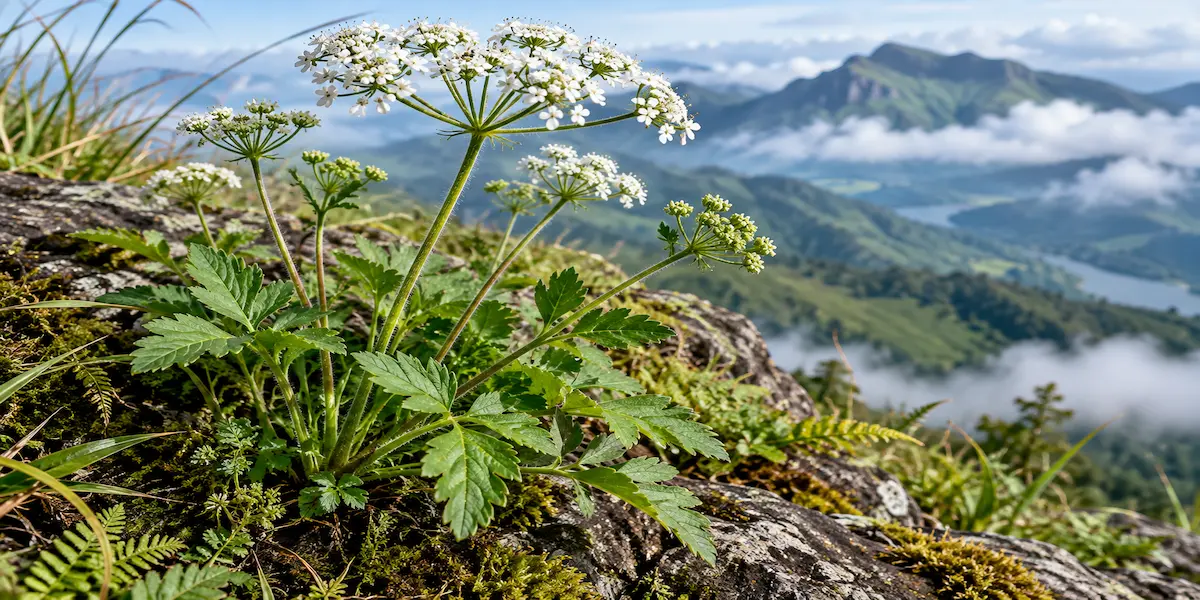
Image: AI-generated illustration
Munnar, September 2026: The biodiversity-rich hills of Munnar have yielded another significant botanical discovery, with researchers from Tamil Nadu identifying a previously undocumented species of wild coriander in the Western Ghats of Idukki district.
Named Tetrataenium munnarense, the newly identified plant was found at Lockhart Gap in the Devikulam Range, at an elevation of around 1,719 metres above sea level. The discovery adds to the growing body of evidence of the remarkable plant diversity found in the high-altitude landscapes around Munnar.
The research was carried out by S. Karuppusamy, Associate Professor of Botany at The Madura College in Madurai, along with P. Bharath Simha Yadav and V. Ravichandran of the Botanical Survey of India, Southern Regional Centre, Coimbatore. Their findings were published in the Journal of Japanese Botany.
A rare plant of Munnar's high-altitude landscape
Tetrataenium munnarense belongs to the Apiaceae family, which includes well-known aromatic and medicinal plants such as coriander, cumin and parsley.
According to the researchers, the newly identified wild coriander grows on rocky slopes surrounded by grasses, herbs, ferns and other montane vegetation. The plant has long-petioled leaves, ovate-lanceolate leaflets, white petals and a flower stalk measuring approximately 6 to 10 centimetres.
The restricted habitat of the plant makes the discovery particularly important from a conservation perspective.
Field observations recorded only around 40 to 60 mature plants at the location. Researchers have therefore highlighted the need to protect the natural habitat in which the species occurs.
Conservation concerns
The high-altitude grasslands and rocky slopes of the Munnar region face several ecological pressures, including dry-season fires and grazing. With the newly identified species occurring within a limited area, changes to its habitat could affect its long-term survival.
Researchers have suggested measures including habitat mapping, botanical exploration, seed and germplasm conservation, and ecological studies to better understand and protect the species.
The discovery also highlights the importance of continued scientific exploration of the Western Ghats. Despite decades of botanical research, the region continues to reveal plant species that have not previously been documented.
Possibilities for future research
The Apiaceae family contains numerous plants with aromatic compounds and essential oils that have applications in food flavouring, traditional medicine, cosmetics and fragrance industries.
Researchers have suggested that Tetrataenium munnarense could be studied in the future for its phytochemical and essential-oil properties. However, further research would be required to establish its characteristics and any potential applications.
Another reminder of Munnar's biodiversity
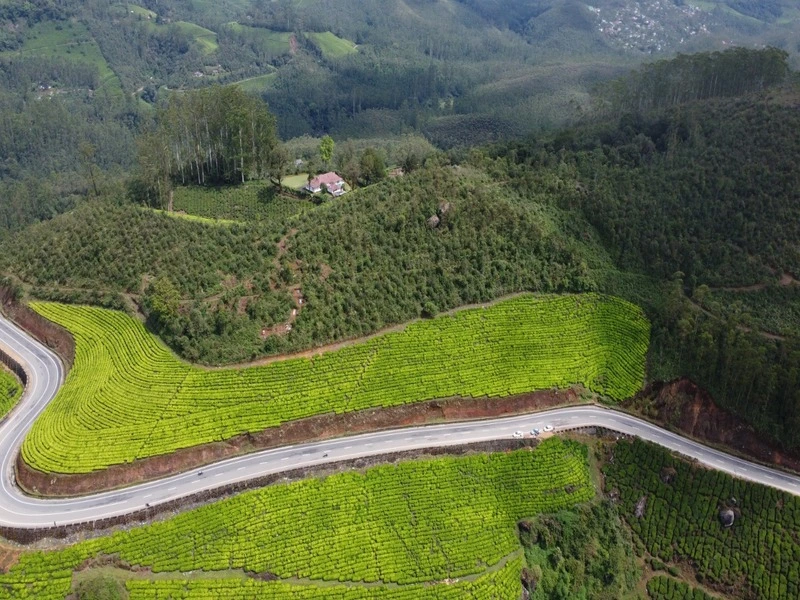
The discovery adds another dimension to Munnar's reputation as a major natural tourism destination. The region is widely known for its tea plantations, mountain landscapes, shola forests and high-altitude grasslands, but its botanical richness is equally significant.
For visitors, the finding offers a glimpse into the lesser-known natural heritage of the Munnar hills. It also underlines the importance of responsible tourism and protection of fragile high-altitude habitats.
The identification of Tetrataenium munnarense demonstrates that the Western Ghats around Munnar continue to hold important botanical discoveries and reinforces the need for sustained research and conservation of the region's unique ecosystems.