Vattavada: Discovering the Fruit Bowl and Vegetable Garden of Kerala
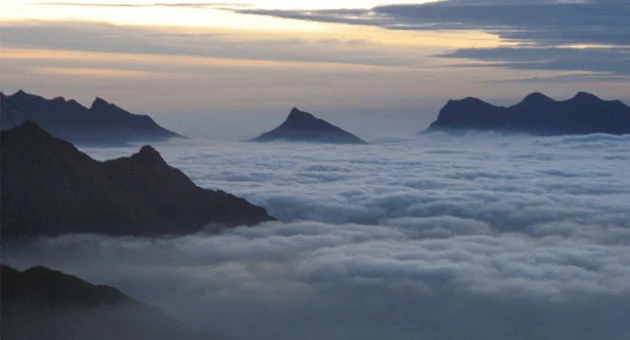
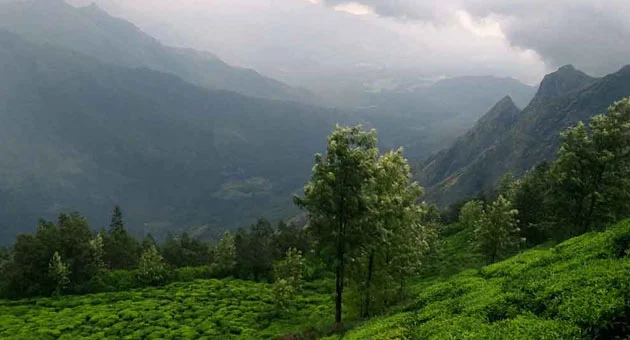
Hidden behind the misty veils of the Western Ghats, located approximately 45 kilometers from the bustling town of Munnar, lies Vattavada. Often referred to as the "Market of Kerala" or the "Vegetable Map of Kerala," this rain-shadow village offers a landscape and climate unlike any other part of the state. While Munnar is famous for its sprawling tea carpets, Vattavada is a vibrant patchwork of terraced farms, alpine orchards, and dense shola forests.
For the traveller seeking offbeat destinations, Vattavada provides a serene escape where agriculture meets adventure. From the scent of ripening strawberries to the sighting of rare wildlife, this high-altitude hamlet is a testament to nature's bounty.
The Agricultural Heritage: The Market of Kerala
Vattavada is fondly known as the market of Kerala for its prolific production of cool-season vegetables and exotic fruits. Due to its unique location and pleasant climate, this region produces a wide variety of crops which are usually not seen in other parts of Kerala.
Walking through the terraced fields of Vattavada, you will encounter a Mediterranean-style abundance. These crops include premium varieties of apple, orange, strawberry, blackberry, plum, gooseberry, egg fruit, peach, and passion fruit. Unlike the coastal regions of Kerala dominated by coconut and paddy, Vattavada thrives on "English Vegetables" like cabbage, carrots, garlic, potatoes, and cauliflower.
The village operates on a traditional barter system and communal farming spirit that has survived for generations. For tourists, the opportunity to pick fresh strawberries directly from the vines or taste a sun-ripened plum is an experience that defines the charm of Vattavada tourism.
A Haven for Biodiversity: Fauna and Protected Areas
Besides the rich flora, the region also boasts a large variety of fauna, making it a sanctuary for nature lovers and wildlife photographers. Vattavada is strategically surrounded by some of India's most ecologically sensitive zones.
The protected areas like Chinnar Wildlife Sanctuary, Eravikulam National Park, Anamudi Shola National Park, Pampadum Shola National Park, and Kurinjimala Sanctuary serve as a protective ring around this valley. These forests are home to many threatened and endemic species that are found nowhere else on Earth.
Key wildlife sightings often include:
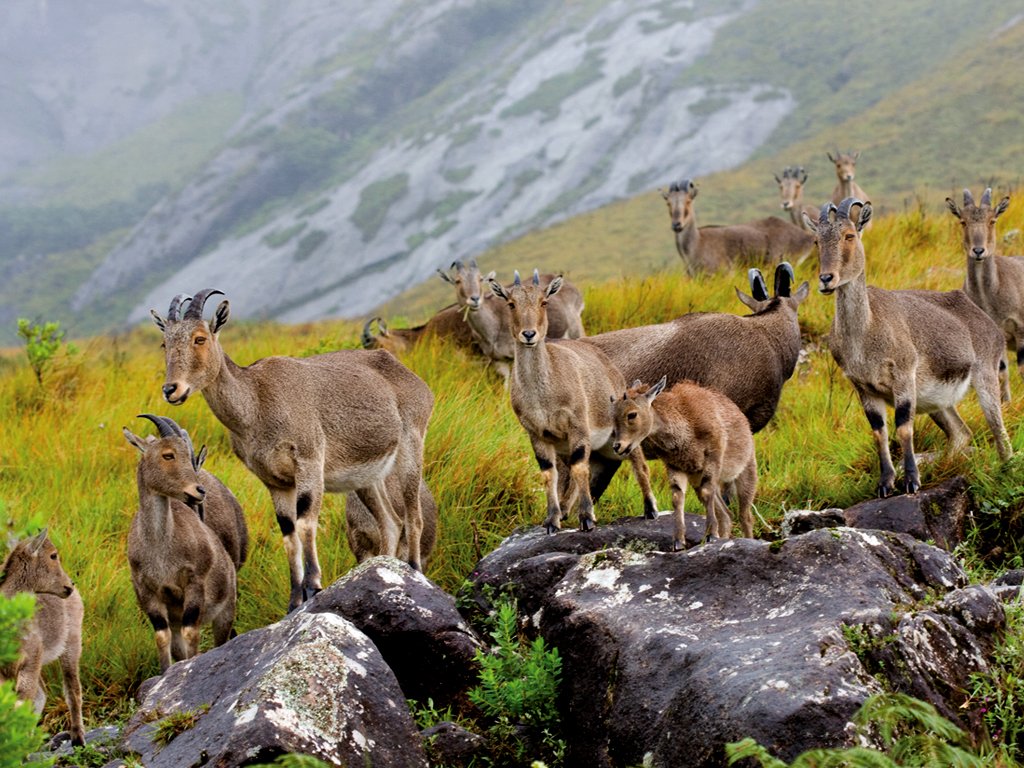
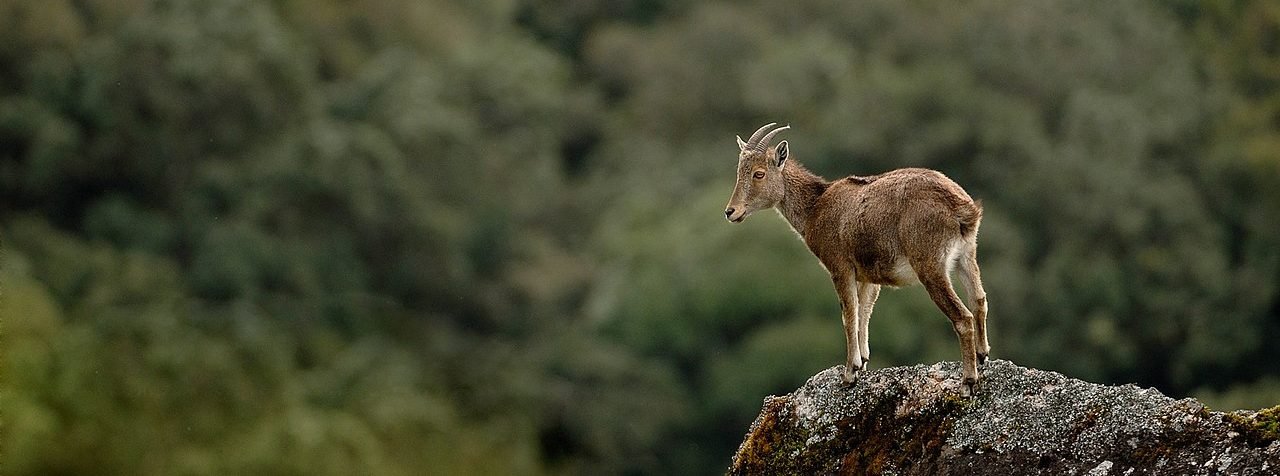
The NilgiriTahr: The state animal of Tamil Nadu, often seen grazing on the rocky cliffs of Eravikulam.
The Grizzled Giant Squirrel: A rare sight, usually found in the canopy of the Chinnar and Vattavada forests.
The NilgiriLangur and Nilgiri Wood Pigeon: Iconic avian and primate species of the Western Ghats.
Elephants, Gaur (Indian Bison), and Sambar Deer: Frequently spotted crossing the forest fringes during the early morning or late evening hours.
The integration of agricultural land with these dense forests creates a unique "eco-tonal" beauty where the wild meets the cultivated.
Adventure Awaits: Trekking and Outdoor Exploration
For the adventurous ones, Vattavada offers an exhilarating range of activities including trekking, jeep safaris, mountain biking, and jungle camping. The rugged terrain and the crisp mountain air make it a playground for outdoor enthusiasts.
Take on an adventure and explore the scenic and mesmerizing beauty of Vattavada through its world-class trekking trails. Due to its geographical position, Vattavada serves as a gateway to several iconic destinations. Through trekking, the nearby places of Kodaikanal, Top Station, Mattupetty, Kanthaloor, and Meesapulimala can be explored.
The Vattavada-Kodaikanal Trek: This is perhaps the most famous trail, taking trekkers through deep shola forests and eucalyptus groves. It is a journey that connects two of South India's most famous hill stations via an ancient forest route.
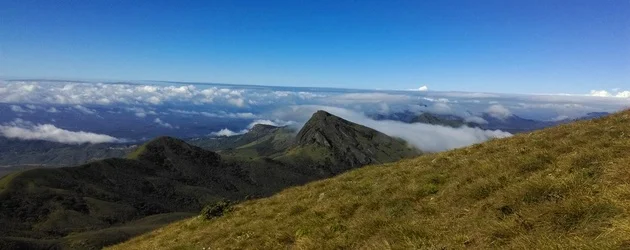
Meesapulimala Trek: Starting near Vattavada, you can summit the second-highest peak in the Western Ghats, trekking through high-altitude grasslands and rhododendron trees.
Mountain Biking: The winding, unpaved roads between the vegetable terraces offer some of the best mountain biking tracks in Kerala, providing both a physical challenge and breathtaking views.
Cultural Immersion: The Native Tribes of Vattavada
Beyond the scenery, the heart of Vattavada lies in its people. The visitors are also welcome to experience the lifestyle of the native tribes of Vattavada. The community here is a mix of people with roots in Tamil Nadu and Kerala, resulting in a unique linguistic and cultural blend.
The tribal hamlets (known as Kudis) maintain a lifestyle that is deeply connected to the earth. Their houses, often made of mud and thatched roofs, and their traditional dance forms offer a glimpse into an era untouched by modern commercialism. Staying in a local farm-stay or a homestay allows travellers to participate in traditional cooking, learn about ancient irrigation techniques, and understand the deep spiritual connection the locals have with the forest.
Why Vattavada is the Perfect Family Vacation
While adventure seekers love the trails, Vattavada is also a sanctuary for families. The peaceful atmosphere, the absence of city noise, and the educational value of the farms make it an ideal weekend getaway. Children can learn where their food comes from, watch honey being harvested, and see rare butterflies in the wild.
The "Farm-to-Table" experience here isn't a marketing gimmick; it’s a way of life. Many resorts and homestays serve meals prepared entirely from ingredients gathered within a one-kilometer radius.
Planning Your Trip to Vattavada
Best Time to Visit
Winter (September to March): The best time for trekking and enjoying the chilly mountain weather. This is also the peak season for strawberries.
Summer (April to June): A great escape from the heat of the plains. The orchards are in full bloom during this period.
Monsoon (July to August): For those who love the mist and the lush greenery, though trekking can be difficult during heavy rains.
How to Reach
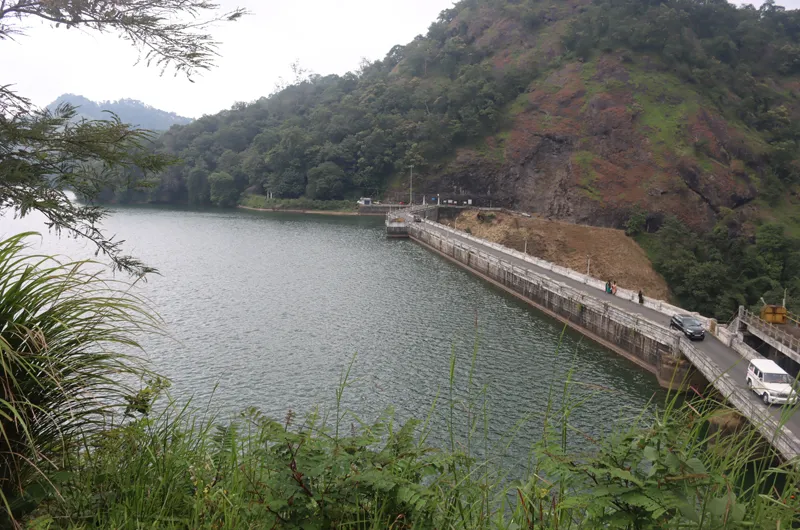
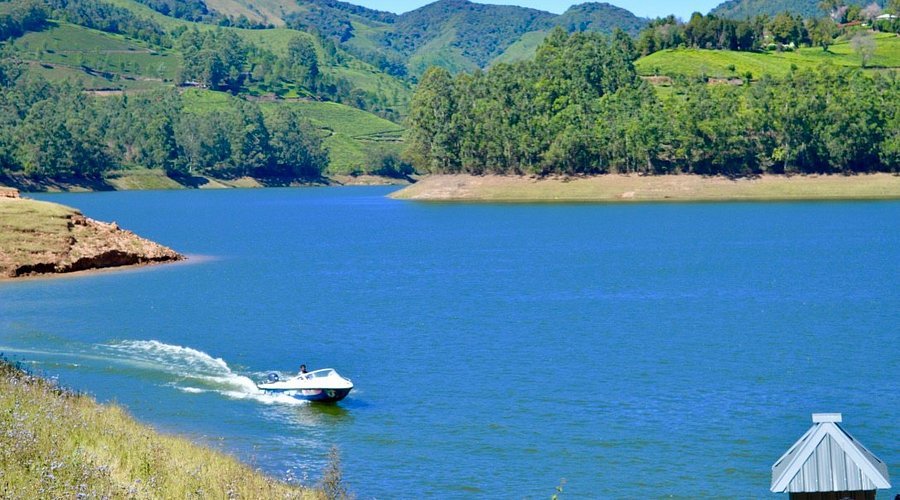
Vattavada is approximately 45 km from Munnar town. The drive itself is a highlight, passing through the Mattupetty Dam, Echo Point, and Kundala Lake. As you cross Top Station, the landscape shifts from tea plantations to the dense woods of the Shola National Park before opening up into the Vattavada valley.
What to Pack
Warm Clothing: Even in summer, temperatures can drop significantly at night.
Trekking Shoes: Essential if you plan to explore the forest trails.
Binoculars: A must for birdwatchers and wildlife enthusiasts.
Essential Travel Tips
Permission for Treks: Some trekking routes pass through protected forest areas and require prior permission from the Forest Department. It is best to hire a local guide.
Eco-Friendly Travel: Vattavada is an ecologically sensitive zone. Travelers are urged to avoid plastic and respect the "No Plastic" policy of the forest check-posts.
Connectivity: Mobile network can be spotty in the deeper parts of the valley—perfect for a digital detox!
Conclusion: The Unspoiled Frontier of Munnar
Vattavada is a destination that appeals to the soul. It is a place where time slows down, where the air is pure, and where every turn in the road reveals a new shade of green. Whether you are a hard-core trekker looking to conquer Meesapulimala, a photographer chasing the NilgiriTahr, or a family looking to bond over a basket of freshly picked blackberries, Vattavadadelivers an experience that is authentic and unforgettable.
As you plan your next trip to Munnar, look beyond the tea gardens. Follow the road less traveled to Vattavada—the hidden market in the clouds—and discover the true agricultural and natural heart of Kerala.