Chinnar Wildlife Sanctuary
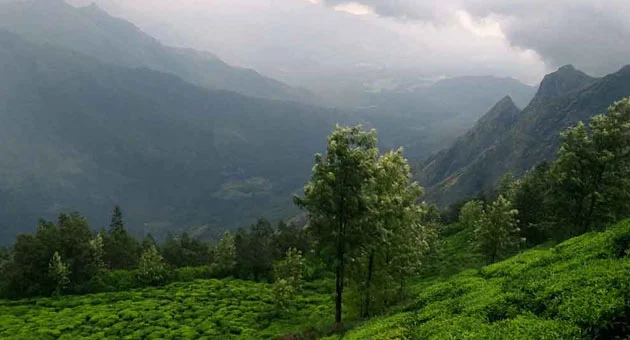
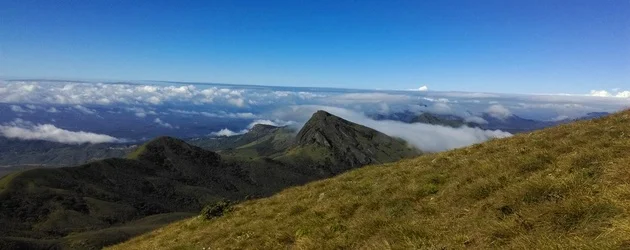
Located in the eastern high ranges of the Southern Western Ghats, Chinnar Wildlife Sanctuary is one of Kerala’s most distinctive protected areas. Known for its dry forests, rare wildlife, unique ecology, and tribal heritage, Chinnar offers a striking contrast to the lush green landscapes of Munnar.
The sanctuary lies on the eastern boundary of Kerala in Idukki district, bordering Tamil Nadu. To its south lies Eravikulam National Park, while the northern boundary connects with the Indira Gandhi Wildlife Sanctuary (Anamalai Tiger Reserve) in Tamil Nadu.
Declared a wildlife sanctuary in 1984, Chinnar covers an area of approximately 90.44 square kilometres and is recognised as one of the most ecologically diverse regions in Kerala.
Unique Geography and Climate
Chinnar Wildlife Sanctuary is located in the rain-shadow region of the Western Ghats, which means it receives significantly less rainfall compared to the surrounding high ranges. While Munnar is known for heavy monsoon rains and evergreen forests, Chinnar experiences a dry climate with semi-arid conditions.
This unique climatic pattern has resulted in a remarkable variety of habitats, including:
- Tropical dry deciduous forests
- Thorny scrub forests
- Riparian forests along riverbanks
- Shola forests and grasslands
- Rocky hills and river valleys
The presence of dry thorn scrub vegetation and xerophytic plant species makes Chinnar one of the rare dry forest ecosystems in Kerala.
Flora: Rich Plant Diversity
Chinnar Wildlife Sanctuary is home to an impressive diversity of plant life. Scientists have recorded over 1,000 species of flowering plants, including rare and medicinal species.
Key vegetation types include:
- Dry deciduous trees such as teak, Terminalia, and Albizia
- Thorny shrubs and grasses adapted to arid conditions
- Riparian vegetation along the Chinnar River
- Shola forest patches at higher elevations
The sanctuary is also located near Marayur, famous for its natural sandalwood forests, making the region botanically significant.
Many medicinal plants used in traditional Ayurveda are found in Chinnar, contributing to its ecological and cultural importance.
Fauna: Wildlife of Chinnar
Chinnar Wildlife Sanctuary is renowned for its rich wildlife and rare species. It is particularly famous for being one of the best habitats of the endangered Giant Grizzled Squirrel of India (Ratufa macroura).
Mammals
Some of the major mammals found in Chinnar include:
- Asian Elephant
- Bengal Tiger
- Leopard
- Indian Gaur (Bison)
- Sambar Deer
- Spotted Deer (Chital)
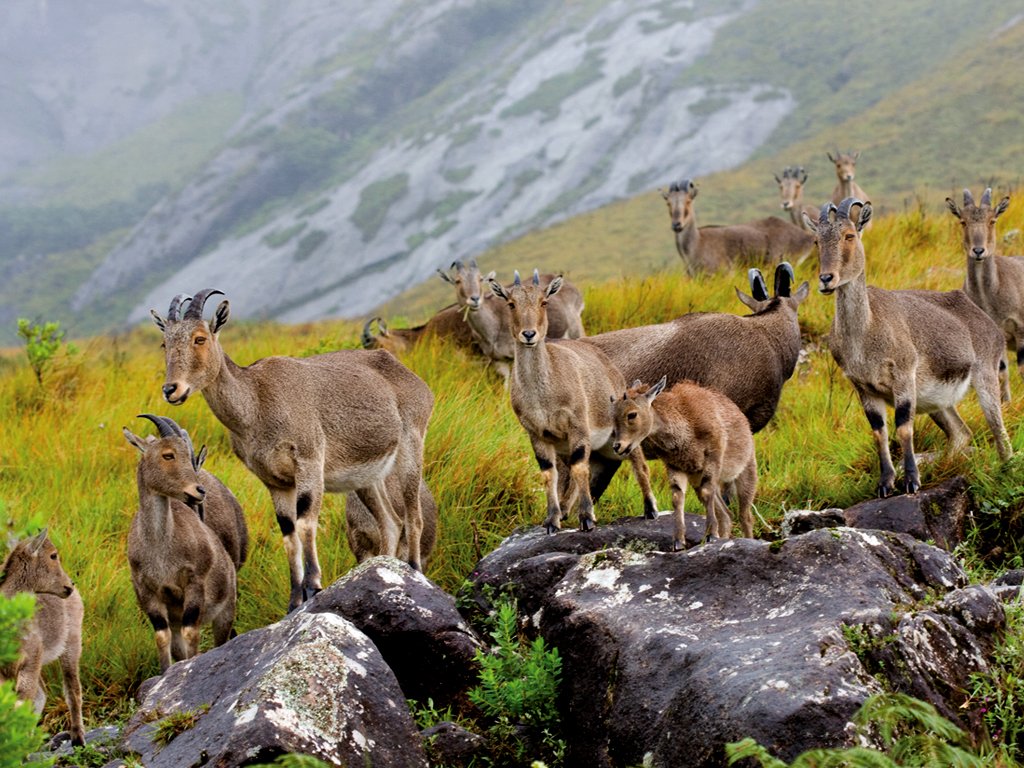
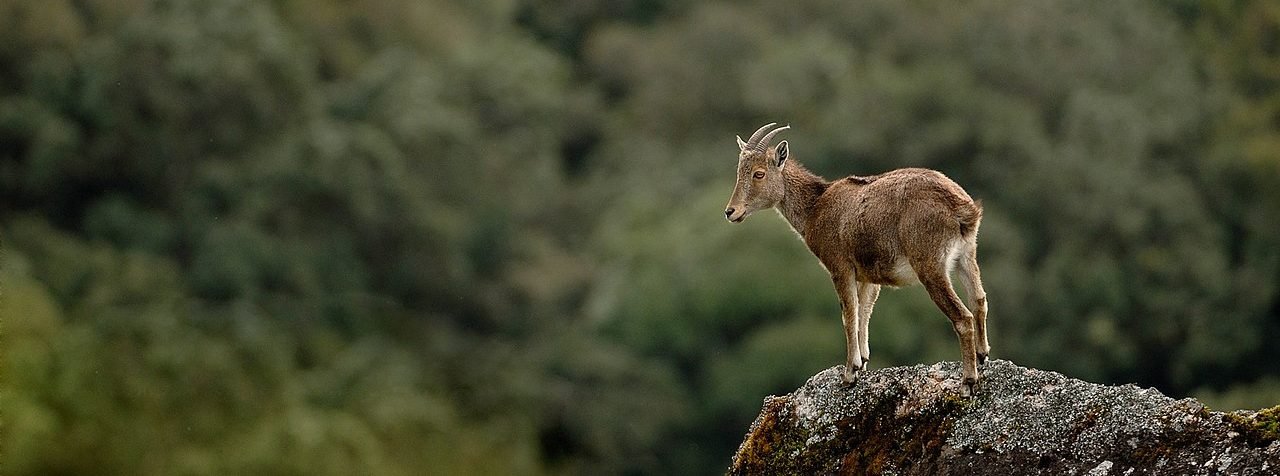
- Nilgiri Tahr
- Wild Boar
- Sloth Bear
- Bonnet Macaque and other primates
- Giant Grizzled Squirrel (flagship species)
Birds
Chinnar is a paradise for birdwatchers, with over 225 recorded bird species, including:
- Crested Serpent Eagle
- Malabar Whistling Thrush
- Grey Junglefowl
- Indian Peafowl
- Hornbills
- Flycatchers and sunbirds
Reptiles and Amphibians
The sanctuary also supports a wide variety of reptiles and amphibians, including snakes, lizards, frogs, and endemic species.
Rivers and Water Bodies
The Chinnar River, a tributary of the Amaravati River, flows through the sanctuary and plays a crucial role in sustaining wildlife and vegetation. Seasonal streams and waterholes provide vital resources for animals, especially during dry months.
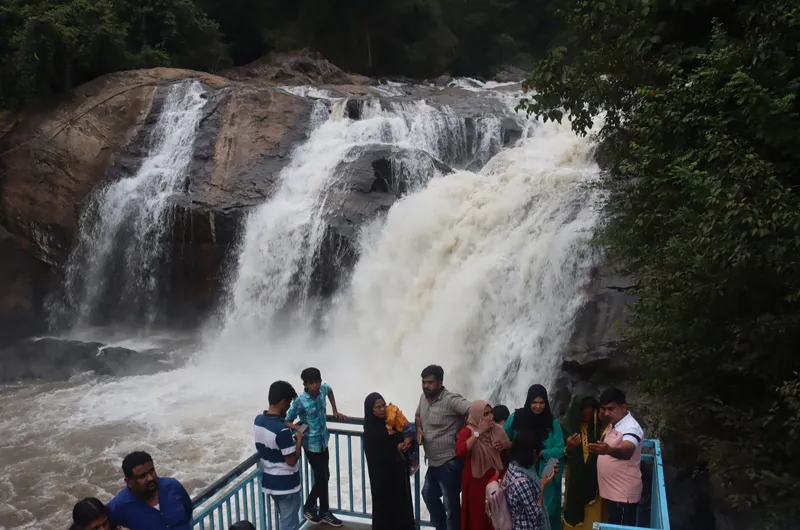
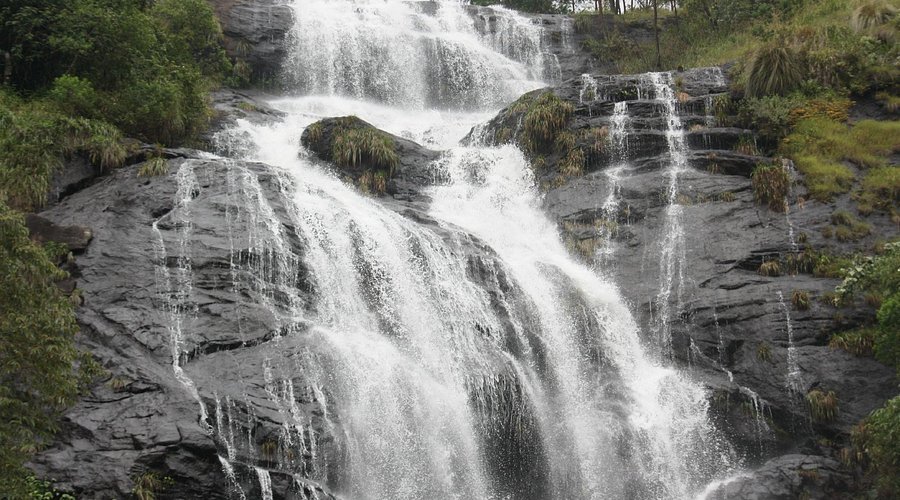
One of the major attractions fed by these streams is the famous Thoovanam Waterfalls.
Eco-Tourism and Activities
Chinnar Wildlife Sanctuary is well known for its eco-tourism initiatives jointly organised by the Kerala Forest Department and local tribal communities through Eco-Development Committees (EDCs).
Popular eco-tourism activities include:
1. Trekking
- River trekking along the Chinnar River
- Nature trails through dry forests
- Trekking to Vasyappara hills
- Cultural site trekking
2. Thoovanam Waterfalls Trek
The trek to Thoovanam Falls is one of the most popular activities in Chinnar. The scenic trail passes through forests and rocky terrain, offering spectacular views of the waterfall and surrounding landscapes.
3. Watchtower and Wildlife Viewing
Visitors can explore nature trails leading to watchtowers, where they may spot wildlife in their natural habitat.
4. Interpretation Centre and Medicinal Garden
Educational programmes and interpretation activities help visitors understand the ecological significance of Chinnar.
5. Tree House and Camping
Eco-friendly tree houses and camping facilities provide immersive nature experiences.
Tribal Culture and Heritage
Chinnar is also culturally significant due to the presence of indigenous tribal communities, including the Muthuvar and Pulaya tribes. These communities have lived in harmony with nature for centuries and possess deep knowledge of forest ecosystems and medicinal plants.
Their traditional lifestyle and cultural practices add to the uniqueness of Chinnar as a heritage landscape.
Nearby Attractions
Marayur – Land of Sandalwood
- Located about 16 km from Chinnar, Marayur is famous for:
- Natural sandalwood forests
- Ancient dolmens (megalithic burial chambers)
- Rock paintings and prehistoric sites
- Traditional jaggery (sharkara) production units
Munnar
Chinnar is about 60 km from Munnar, making it an ideal day trip destination for tourists visiting Munnar.
Eravikulam National Park
Home to the endangered Nilgiri Tahr and rolling grasslands.
Anamalai Tiger Reserve
Located across the Tamil Nadu border, forming a continuous wildlife corridor.
Biodiversity Significance
Chinnar Wildlife Sanctuary is part of the Western Ghats, a UNESCO World Heritage Site and one of the world’s eight hottest biodiversity hotspots.
The sanctuary plays a crucial role in:
- Conserving dry forest ecosystems
- Protecting endangered species
- Maintaining ecological balance
- Supporting wildlife corridors between Kerala and Tamil Nadu
It also serves as an important research site for ecologists and conservationists.
Conservation Challenges and Efforts
Despite its protected status, Chinnar faces several challenges, including:
- Climate change and prolonged droughts
- Habitat fragmentation
- Human-wildlife conflict
- Tourism pressure
To address these issues, the Kerala Forest Department has strengthened conservation measures, promoted responsible tourism, and encouraged community participation in forest management.
Eco-tourism programmes in Chinnar are designed to balance conservation with sustainable livelihood opportunities for local communities.
Distance and Accessibility
- Distance from Munnar: ~60 km
- Nearest town: Marayur (16 km)
- Nearest airport: Cochin International Airport (approx. 160 km)
- Nearest railway station: Aluva (approx. 150 km)
Chinnar is accessible via scenic mountain roads connecting Munnar, Marayur, and Udumalpet.
Entry Fee and Timings
Entry fees and trekking charges may vary depending on forest department regulations and programmes.
Indicative entry fees (subject to change):
- Indian visitors: ₹10 – ₹50 per person
- Children/students: concessional rates
- Foreign visitors: higher tariff
- Trekking and eco-tourism programmes: separate charges
Visitors are advised to check the latest rates with the Kerala Forest Department or authorised eco-tourism offices before planning their visit.
Best Time to Visit Chinnar
The best time to visit Chinnar Wildlife Sanctuary is:
- October to March: Ideal weather for trekking and wildlife viewing
- April to May: Hot but suitable for wildlife sightings near water sources
- June to September: Monsoon season; limited trekking but lush landscapes
Unlike Munnar, Chinnar remains relatively dry even during monsoons, making it a unique year-round destination.
Why Visit Chinnar Wildlife Sanctuary?
Chinnar is not just a wildlife sanctuary—it is a living laboratory of nature where dry forests, rare species, tribal culture, and scenic landscapes coexist.
Visitors to Chinnar can experience:
- Rare wildlife and birdlife
- Unique dry forest ecosystems
- Scenic trekking trails and waterfalls
- Tribal culture and heritage
- Peaceful nature away from crowded tourist spots
For travellers exploring Munnar and the Western Ghats, Chinnar Wildlife Sanctuary offers an unforgettable journey into Kerala’s lesser-known wilderness.