Neelakurinji Flowers in Munnar – The Rare Blue Wonder of Kerala
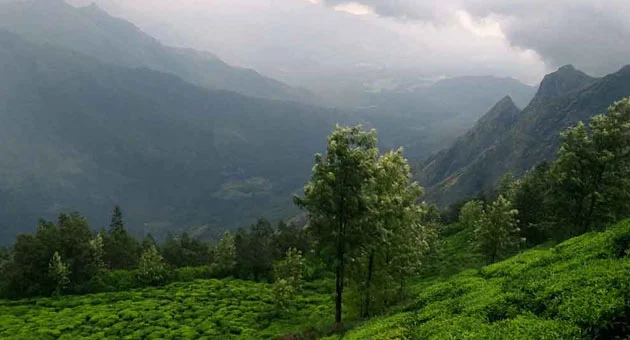
The misty hill station of Munnar, located in the Idukki district of Kerala, is a paradise for nature lovers and travelers. Blessed with lush green valleys, rolling tea plantations, waterfalls, and rich biodiversity, Munnar stands at an altitude of about 1,600 metres above sea level. Among its many natural wonders, the most celebrated phenomenon is the blooming of the rare Neelakurinji flowers, which transform the hills into a spectacular blue carpet once every twelve years.
Neelakurinji is not just a flower; it is a symbol of the ecological richness of the Western Ghats and a unique natural event that attracts thousands of tourists, botanists, photographers, and nature enthusiasts from across the world.
What is Neelakurinji?
Neelakurinji is the common name for Strobilanthes kunthiana, a rare flowering shrub belonging to the Acanthaceae family. The plant is endemic to the Western Ghats of South India and is primarily found in the high-altitude regions of Kerala and Tamil Nadu.
The name “Neelakurinji” is derived from two Malayalam words:
Neela meaning blue
Kurinji meaning flower
During its flowering season, the hills of Munnar and the Nilgiri ranges appear blanketed in shades of blue and purple, creating an unforgettable visual spectacle.
The Unique Life Cycle of Neelakurinji
One of the most fascinating aspects of Neelakurinji is its unusual life cycle. Unlike most plants that bloom annually, Neelakurinji flowers bloom massively once every twelve years. After flowering and seed production, the plant dies, completing its life cycle.
However, not all Kurinji species follow the same cycle. Botanists have identified several varieties of Kurinji plants that bloom at intervals ranging from seven to sixteen years. Because of these varying cycles, small patches of Neelakurinji flowers can sometimes be seen in places around Munnar, such as Santhanpara, even during non-peak years.
Plants that flower at long intervals are scientifically referred to as plietesial species, a rare botanical phenomenon found mostly in high-altitude ecosystems.
Historical and Botanical Significance
The periodic flowering of Neelakurinji was first documented by botanists as early as 1838. Over time, scientists discovered that there are nearly 300 species of Strobilanthes across Asia, with around 46 species found in India alone.
Among them, Strobilanthes kunthiana—the Neelakurinji of Munnar—is the most famous and admired. This delicate shrub usually grows up to two feet in height and thrives in poor soils on steep grassland slopes, especially in shola grassland ecosystems.
The Nilgiri Hills, also known as the “Blue Mountains,” derive their name from the mass blooming of Neelakurinji flowers that once covered vast stretches of the region in blue hues.
Habitat and Distribution
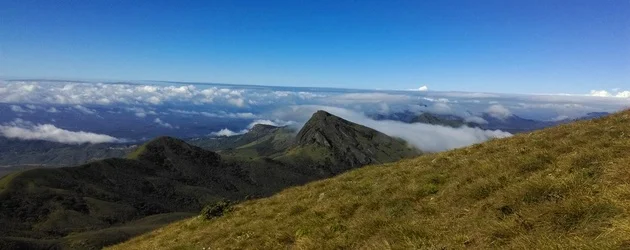
The primary habitat of Neelakurinji lies in the Western Ghats, particularly in and around Munnar, the Nilgiris, Anamalai Hills, and Palani Hills. The plant grows abundantly in shola forests and grasslands, which are unique ecosystems found at high altitudes.
Neelakurinji is considered an indicator species, meaning its presence reflects the health of the ecosystem. Because it is endemic to the Western Ghats, it has become a symbol of the region’s biodiversity and ecological balance. Many conservationists also regard it as a flagship species of the mountain ecosystems.
Blooming Season of Neelakurinji
The flowering season of Neelakurinji generally occurs between August and November, with the peak bloom usually observed from late September to October. In the early stages of flowering, the blossoms appear pale blue, gradually deepening into rich purplish-blue shades as they mature.
The last major mass bloom of Neelakurinji in Munnar took place in 2018, following the previous large-scale bloom in 2006. Based on its typical 12-year flowering cycle, the next widespread bloom is expected around 2030, although minor flowering may occur in scattered patches in some areas during intermediate years. These rare blooming events continue to attract massive tourist interest and global attention to Munnar’s extraordinary natural heritage.
Kurinjimala Sanctuary – Protecting the Blue Hills
To conserve the endangered habitat of Neelakurinji, the Government of Kerala declared the Kurinjimala Sanctuary in 2006. The sanctuary covers approximately 32 square kilometres of core habitat across the villages of Kottakamboor and Vattavada in Devikulam Taluk, Idukki district, Kerala.
The sanctuary was officially announced during the Neelakurinji Festival in Munnar on 7 October 2006. This landmark initiative formed part of a broader conservation strategy to protect the fragile ecosystem and exceptional biodiversity of the Western Ghats, a globally recognised biodiversity hotspot.
During the spectacular Neelakurinji bloom of 2006, it was estimated that nearly one million tourists visited Munnar to witness the rare phenomenon. While this surge highlighted the global fascination with Neelakurinji, it also underscored the region’s vulnerability and the urgent need for sustainable tourism and habitat protection.
Threats to Neelakurinji
Despite its ecological importance, Neelakurinji faces several threats due to human activities. Over the past few decades, large-scale plantations of tea, cardamom, and timber have significantly reduced the natural habitat of the plant.
Hydroelectric projects and deforestation have submerged vast stretches of pristine forests, while expanding tea estates have occupied much of the Kurinji-covered hills. Today, Neelakurinji survives mainly in undisturbed valleys, gorges, and protected areas.
Another serious threat is irresponsible tourism. During peak blooming seasons, some visitors damage the plants by trampling the bushes or collecting flowers. Such activities have been observed in regions like Ooty and Kotagiri in the Nilgiris, posing long-term risks to the survival of this rare species.
Conservation Efforts and Awareness Campaigns
Several conservation initiatives and awareness campaigns have been undertaken in Kerala and Tamil Nadu to protect the rare and endangered Neelakurinji ecosystem. In 2006, the Department of Posts, Government of India, released a commemorative postal stamp featuring Neelakurinji at Udhagamandalam (Ooty), highlighting the flower’s ecological and cultural significance.
The Kozhikode Philately Bureau also introduced a special postal pack titled “Bouquet of the Western Ghats,” which included the Neelakurinji stamp and a picture postcard. These initiatives played an important role in raising public awareness about the ecological value and conservation needs of this unique flowering plant.
Environmental organizations, researchers, and Kurinji enthusiasts have organized awareness journeys and campaigns between Kodaikanal and Munnar, advocating for the protection of the Kurinji landscape across the Western Ghats. Their sustained efforts contributed to the establishment of protected areas and the strengthening of conservation policies in the region.
The Government of Kerala also organized the Neelakurinji Festival 2006, which featured photo exhibitions, cultural programmes, seminars, eco-awareness activities, and community events. The festival helped educate the public about the importance of Neelakurinji and promoted responsible tourism and long-term conservation of Munnar’s fragile mountain ecosystem.
Neelakurinji and Munnar Tourism
Neelakurinji has become one of the most iconic attractions of Munnar. During blooming years, the hills transform into a surreal blue landscape, offering breathtaking views and unforgettable experiences for visitors.
Popular viewpoints and trekking destinations such as Top Station, Rajamala, Vattavada, and Kundala provide stunning views of Neelakurinji-covered hills. The phenomenon has also boosted eco-tourism, photography tourism, and scientific research in the region.
However, sustainable tourism practices are essential to ensure that the natural habitat of Neelakurinji remains protected for future generations.
Ecological Importance of Neelakurinji
Beyond its visual beauty, Neelakurinji plays a crucial role in the mountain ecosystem. The mass flowering provides food for insects and pollinators, while the dying plants enrich the soil with nutrients, supporting the regeneration of grasslands.
As an endemic species, Neelakurinji is a living testament to the evolutionary history of the Western Ghats, one of the world’s biodiversity hotspots. Protecting this rare flower also means safeguarding the fragile ecosystems of the high-altitude landscapes of South India.
Why Neelakurinji Matters Today
In an era of rapid urbanization and climate change, Neelakurinji stands as a reminder of nature’s delicate balance. Its rare blooming cycle teaches patience, resilience, and the importance of conservation.
For travelers, Neelakurinji represents the soul of Munnar—a magical moment when nature paints the mountains in shades of blue. For scientists and environmentalists, it symbolizes the urgent need to protect endemic species and fragile ecosystems.
Munnar without Neelakurinji would lose a part of its identity. Preserving this extraordinary flower is not just a regional responsibility but a global ecological mission.