Marayoor – The Hub of Sandalwood Trees
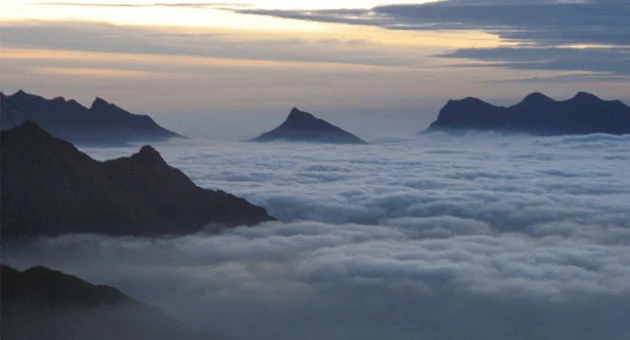
Marayoor, located forty km from Munnar, is a rain shadow village lying on the eastern side of the Western Ghats and is bordered by the neighbouring state of Tamil Nadu. Marayoor is the only place in Kerala with a natural growth of sandalwood trees. While the lush, mist-drenched tea gardens of Munnar are world-famous, Marayoor offers a strikingly different landscape. As a rain-shadow region, it receives significantly less rainfall than its neighbours, creating a unique microclimate that is both prehistoric in its feel and aromatic in its essence.
The Aromatic Heart of Kerala: Sandalwood Forests
A reduced rainfall is most suited for the growth of sandalwood, and the sandalwood factory run by the Forest Department is of great tourist interest. Although, compared to neighbouring states like Tamil Nadu and Karnataka, Kerala has fewer acres of sandalwood forests—the same being confined to Marayoor and a few forest areas in the Wayanad hills—the state possesses the best types of sandalwood trees owing to the reduced rainfall which favours its abundant growth.
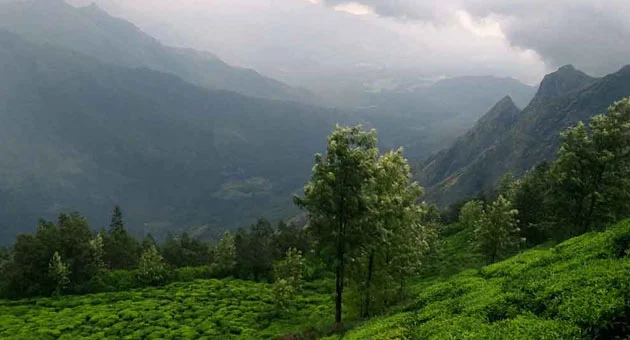
The Marayoor Sandalwood Forest is a vast, protected area. Unlike the dense jungles elsewhere in Idukki, this forest is airy and light. The road from Rajamala to Marayoor is flanked by lush green tea estates. As you drive by, there are occasional waterfalls. Then you come across the sandalwood forest. First, the trees appear one by one, and soon these turn into a sea. The air is cool and one comes under the rain shadow area.( Ancient Secrets: The Muniyaras (Dolmens)
Beyond its botanical wealth, Marayoor is a window into the Neolithic age. Marayoor houses the ‘Muniyaras’ or the stone coffins with underground tunnels, which date back to the Neolithic period. These cave-like structures resting on vertical rocks are present everywhere—they are stone slabs resembling crudely made boxes. There are paintings depicting the legendary wanderings of ‘Rama and Sita’ and the ‘Pandavas’ inside the caves.
These dolmens are not just historical markers; they are architectural marvels of the megalithic era. Standing on the rocky ridges of Marayoor, these structures have survived thousands of monsoon seasons, guarding the secrets of ancient civilizations that once thrived in these valleys.
Nature and Adventure: Beyond the Trees
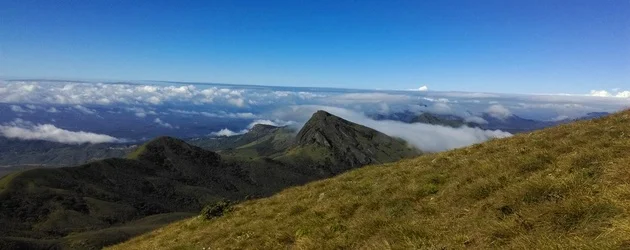
Marayoor, as a pristine, heavenly, and unexplored tourist spot, is comparable to Munnar—which is one of the most sought-after hill stations in India—in every respect. The place is especially an excellent trekking spot for adventure seekers.
1. Thoovanam Waterfalls
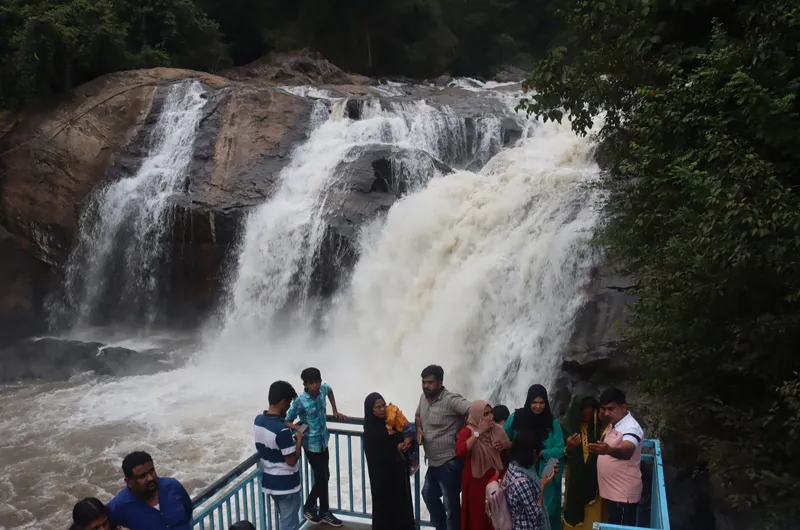
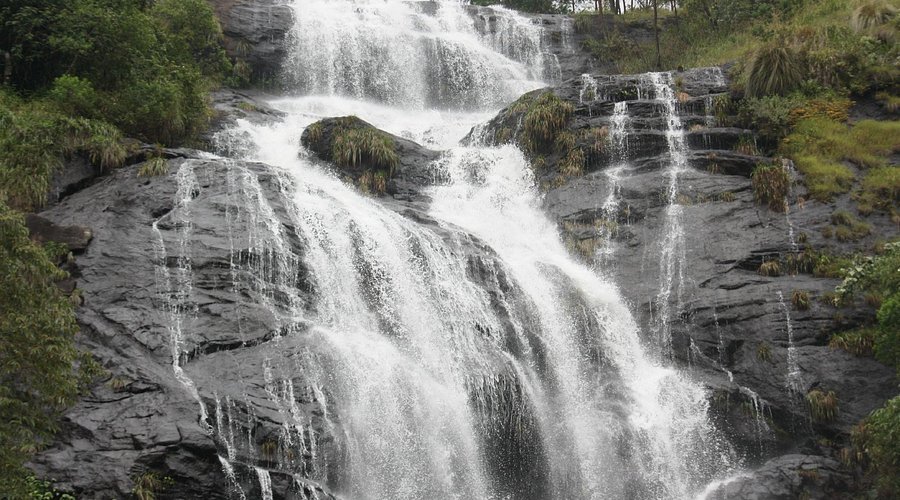
Deep within the Chinnar Wildlife Sanctuary lies the Thoovanam Waterfalls, where one can spend endless hours romancing with nature. To reach the falls, one must undertake a guided trek through the dry deciduous forest, offering a chance to spot the Grizzled Giant Squirrel or the occasional elephant herd. The sight of the Pambar River cascading down the silver rocks is a refreshing contrast to the dry plains.
2. The Great Banyan Tree
Descending the hill, one can see the cane crop in the valley below dancing in the wind. A park named Rajiv Gandhi National Park is an ideal picnic spot nearby. A children’s park formed under the canopy of a single Banyan tree spreads across a hectare of land and is a wonderful sight. This massive tree creates a natural auditorium of shade, making it a favorite for families and nature lovers.
3.Sandalwood: Utility, Tradition, and Science
Sandalwood, the famous aromatic wood, is yielded by the family of trees belonging to the genus Santalum. This particular wood, which is heavy, fine-grained, and yellow in color, retains its fragrance for decades. The sandalwood fragrance is very distinctive and is used in countless applications, including utility and decoration. Sandalwood has been valued and treasured for many years for its fragrance, carving, medicinal, and religious qualities.
The Harvest and Extraction
To get commercially valuable sandalwood with high levels of fragrant oils, the Santalum trees need to be at least eight years of age and ideally fourteen years of age. Unlike most trees, sandalwood is harvested by toppling the entire tree instead of sawing it down at the trunk. This way, valuable wood from the stump and root can also be sold or processed for oil.
Cultural and Religious Significance
Sandalwood paste is integral to rituals and ceremonies, used to mark religious utensils and to decorate the icons of the deities worshipped. It is also distributed thereafter to devotees, who apply it to the forehead or the neck and chest. Preparation of the paste is considered a duty fit only for the pure and is therefore entrusted in temples and during ceremonies only to priests.
The paste is prepared by grinding pieces of the wood by hand upon granite slabs shaped for the purpose. With the slow addition of water, a thick paste results, which is mixed with saffron or other such pigments to make the aromatic ‘chandan’. Sandal is also used in perfumes and to coat incense sticks. In medicine, sandalwood essential oil, which is very expensive in its pure form, is used primarily for Ayurvedic purposes and treating anxiety. Sandalwood curios and fancy décor items are also available in the market.
Marayoor Jaggery: The Sweetest Tradition
One cannot speak of Marayoor without mentioning its world-famous jaggery (MarayoorSarkara). As you drive through the valley, you will see vast fields of sugarcane. This jaggery is unique because it is produced by traditional methods in local sheds (sharakaraulpathanakendram). It is known for its high iron content, low saltiness, and lack of chemical additives. Watching the artisans boil the sugarcane juice in massive cauldrons is a sensory experience that defines the rural charm of this village.
Local Life and Climate
Marayoor is inhabited by a group of tribals who are primarily engaged in agriculture. Their lifestyle is deeply intertwined with the seasons of the forest and the sugarcane harvest.
The climate here is remarkably pleasant compared to the humid lowlands of Kerala. The temperature in summer goes up to 30 degrees Celsius while the winter temperature can come down to as low as 8 degrees Celsius. This makes it an ideal year-round destination for those who find Munnar a bit too chilly or crowded.
Travel Logistics
It is one of the main towns in the district of Idukki. This place can also be accessed from Pollachi/Palani in Tamil Nadu and from Munnar. Tourists can find a good number of accommodation facilities as well as shopping facilities at Marayoor and in Munnar.
How to Reach Marayoor:
- From Munnar: A scenic 40 km drive through Eravikulam National Park.
- From Coimbatore/Pollachi: Roughly 100 km, passing through the Indira Gandhi Wildlife Sanctuary and Chinnar.
- Best Time to Visit: September to March for the best trekking weather.
Why Marayoor Belongs on Your Munnar Itinerary
Marayoor is more than just a transit point; it is a destination where history, botany, and culture converge. From the Neolithic Muniyaras that whisper tales of the past to the sweet scent of sandalwood and the taste of fresh jaggery, it offers an authentic Kerala experience that is hard to find elsewhere.
As we remodel munnar.com, our goal is to highlight these hidden treasures. Marayoor stands as a testament to Kerala’s diversity—a rain-shadow sanctuary that proves there is always more to discover in the Western Ghats.