Eravikulam National Park, Munnar: The Ultimate Guide to Kerala’s Alpine Wonder
The majestic Eravikulam National Park is the crown jewel of Munnar tourism and a cornerstone of biodiversity in the Western Ghats. Spanning approximately 97 square kilometers of lush rolling grasslands and high-altitude shola forests, it was the first national park established in Kerala (1978). For the global traveler, it represents a rare opportunity to witness an ecosystem that feels untouched by time, dominated by the towering Anamudi Peak and the gentle, endangered Nilgiri Tahr.
As we look toward the 2026 travel season, Eravikulam remains the most searched wildlife destination in Munnar. This guide provides everything you need to know, from technical conservation history to practical safari tips, ensuring Munnar.com remains your trusted partner in exploring God’s Own Country.
The Ecological Importance of Eravikulam
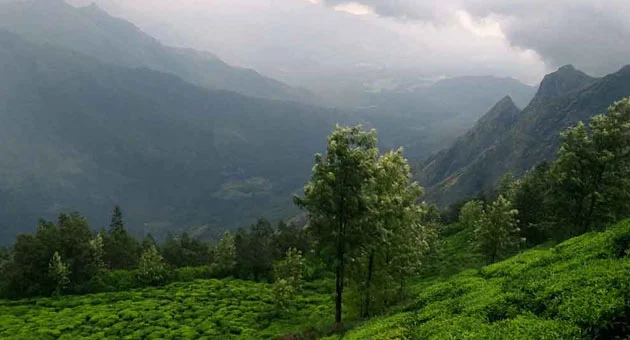
Eravikulam is not merely a sightseeing spot; it is a vital biological hotspot. The park is characterized by high-altitude montane grasslands, a unique landscape found only in the higher reaches of the Southern Western Ghats. These grasslands are interspersed with Shola forests—stunted tropical montane forests that nestle in the valleys and act as natural sponges, feeding the many perennial streams of the Idukki district.
The Nilgiri Tahr: The Pride of Munnar
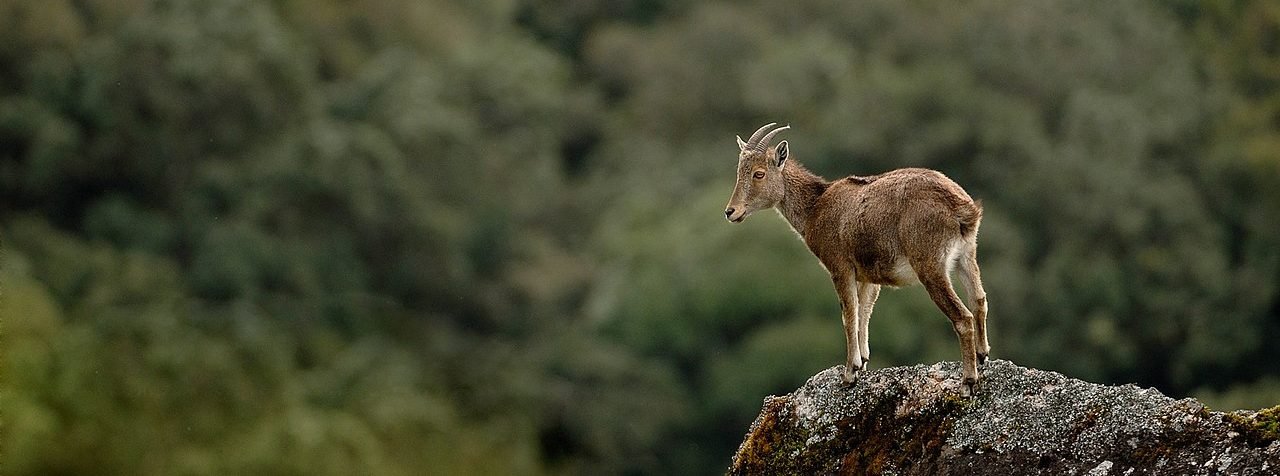
The park's global fame is intrinsically linked to the Nilgiri Tahr (Nilgiritragus hylocrius). Once on the brink of extinction due to rampant hunting during the British colonial era, the Tahr population has rebounded thanks to the strict protection offered by the Kerala Forest Department.
- Population Density: Eravikulam hosts the largest viable population of Nilgiri Tahr in the world.
- Behavior: Visitors to the Rajamalai Tourism Zone often witness these mountain goats grazing peacefully. They are remarkably calm around humans, allowing for world-class wildlife photography.
Iconic Landmarks within the Park
- Anamudi Peak: The Roof of South India
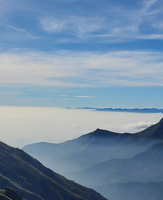
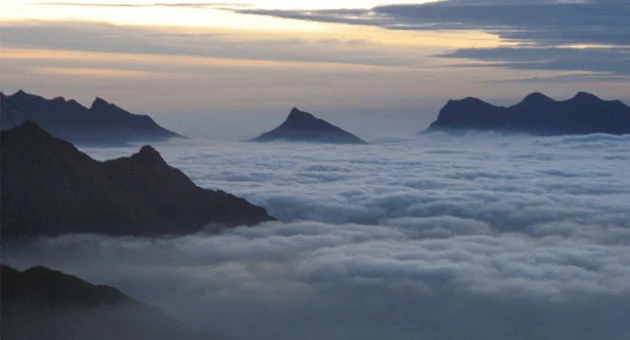
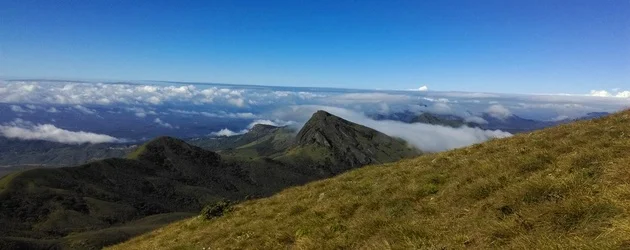
Standing at a staggering height of 2,695 meters, Anamudi Peak is the highest point in India south of the Himalayas. While the peak is located within the park’s core area and is generally restricted for trekking to protect the habitat of the Resplendent Bush Frog (found nowhere else on Earth), its presence defines the horizon. The mist-clad slopes of Anamudi are a sight to behold, often shrouded in clouds that dance across the emerald peaks. - The Lakkam Waterfalls
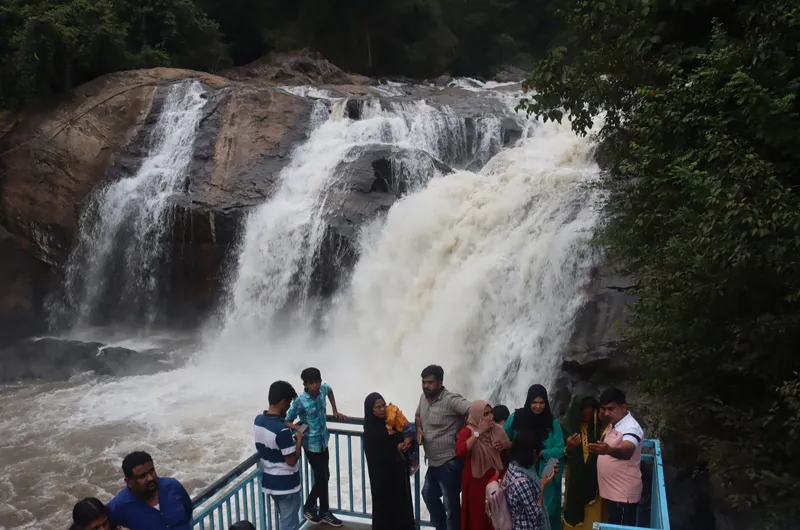
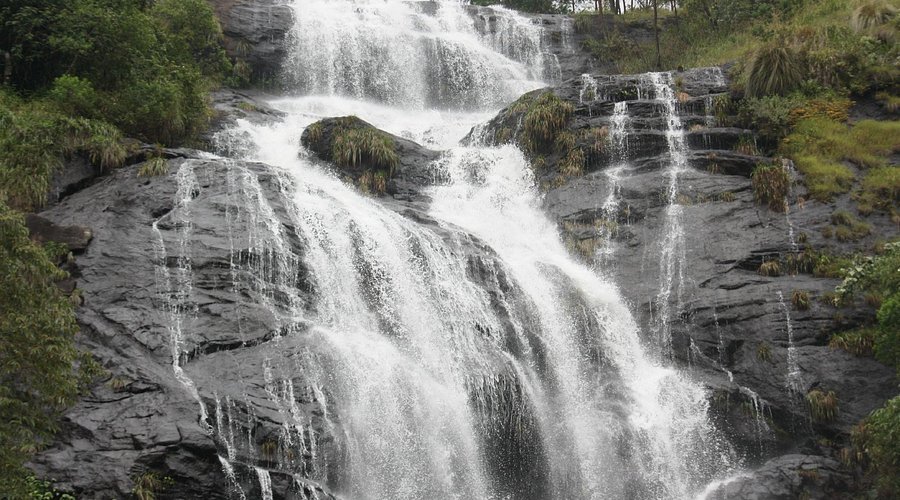
Located on the outskirts of the park along the Munnar-Udumalpet road, the Lakkam Waterfalls are fed by the crystal-clear streams originating in the Eravikulam heartland. It is a popular stop for tourists to refresh themselves before or after their safari. - The Neelakurinji Phenomenon
Eravikulam is the primary theatre for the world-famous Neelakurinji (Strobilanthes kunthiana) bloom. This shrub blooms only once every 12 years, turning the green hills into a sea of purplish-blue. While the last mass bloom occurred in 2018, travelers are already eyeing the 2030 Neelakurinji season, and Eravikulam will be the epicenter of this rare botanical event.
The 2026 Visitor’s Guide: Safari, Timings, and Fees
To maintain its status as an International Responsible Tourism Destination, Eravikulam follows strict visitor protocols.
- Safari Details (Rajamalai Zone)
Public and private vehicles are strictly prohibited inside the park. Visitors must board the Forest Department Safari Buses at the entrance gate. The 15-minute drive up the winding mountain road offers some of the most spectacular views of the Munnar tea estates below. - Ticket Prices & Timings (Updated for 2026)
Category & Entry Fee (Approx.)
- Indian Adults ₹200
- Indian Children ₹150
- Foreign Nationals ₹500
- Ordinary Camera ₹50
- Video Camera ₹350
- Operating Hours: 7:30 AM to 4:00 PM.
- Pro Tip: Always book your tickets online via the official Eravikulam National Park website to avoid long queues, which can last 2–3 hours during peak season (November–January).
- Important: The Calving Season ClosureEvery year, the park closes for approximately 45 to 60 days during February and March. This is the calving season for the Nilgiri Tahr. Closing the park ensures the newborn kids are not disturbed by tourist activity. If you are planning a Munnar trip in early 2026, check the latest status on Munnar.com.
Why Eravikulam is Essential for Munnar Tourism
Munnar’s economy and identity are built on three pillars: Tea, Mist, and Wildlife. Eravikulam represents the "Wildlife" pillar in its purest form. It provides a necessary contrast to the manicured tea gardens, offering a raw look at the Western Ghats as they appeared centuries ago.
Responsible Tourism and Sustainability
In 2025, Munnar was declared an International Responsible Tourism Destination. Eravikulam leads this movement by:
- Plastic-Free Zone: The park has a zero-tolerance policy for single-use plastics.
- Community Involvement: Many of the guides and forest watchers are from local tribal communities like the Muthuvas, providing them with sustainable livelihoods.
- Women-Friendly Tourism: The park has introduced initiatives to make the safari and trekking experience safer and more accessible for solo women travelers.
Integrating Eravikulam into your Munnar Itinerary
A visit to Eravikulam is best done in the early morning. Here is how you can structure a day around it:
- 07:00 AM: Arrive at the Rajamalai gate.
- 08:00 AM - 10:30 AM: Safari and the 2km walk at the viewpoint.
- 11:30 AM: Visit the Tea Museum (run by KDHP) to learn about the 1924 floods that reshaped Munnar.
- 01:00 PM: Lunch in Munnar town (try traditional Kerala Sadhya).
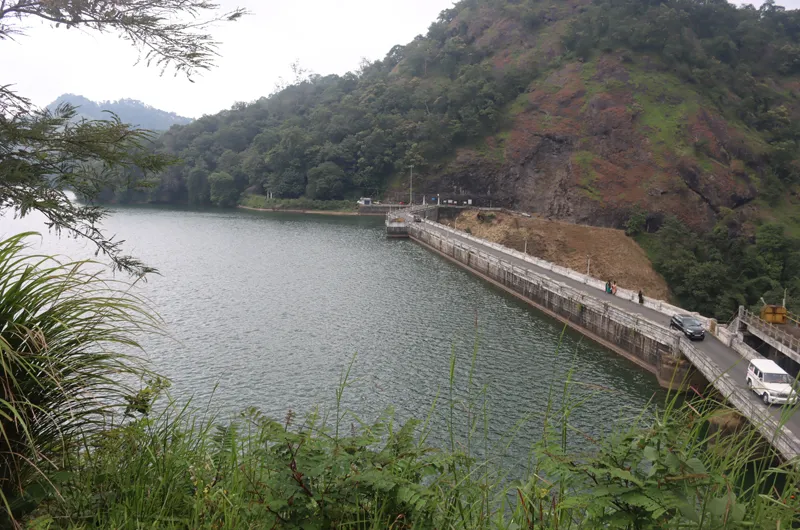
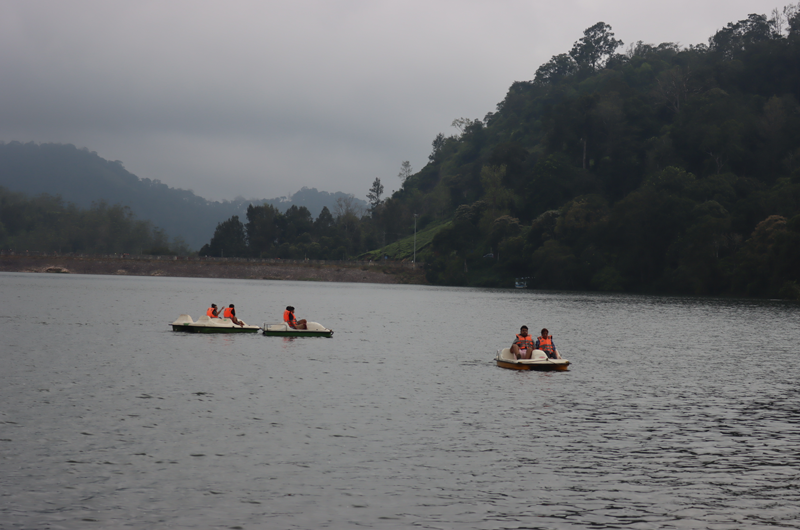
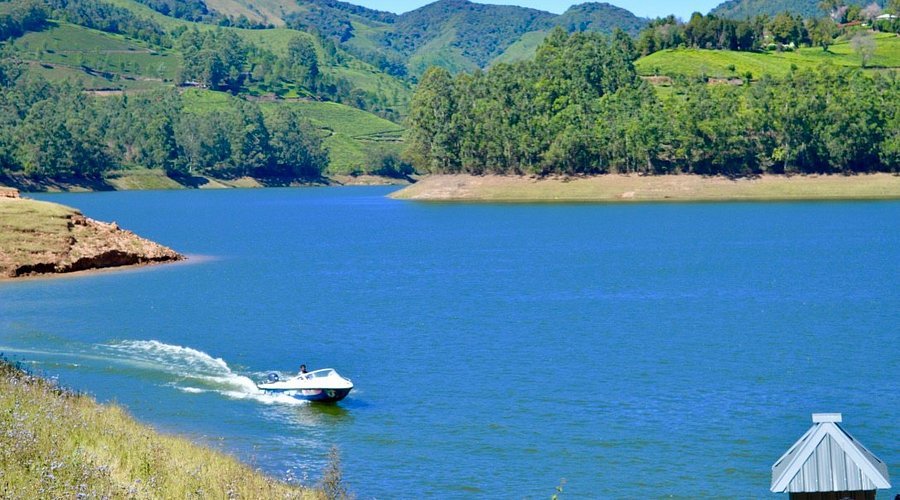
- 03:00 PM: Head to Mattupetty Dam and Echo Point for afternoon boating.