MUNNAR NEWS
Munnar’s Current Kurinji Blooms Attract Travellers, But the Next Neelakurinji Season Is 2030
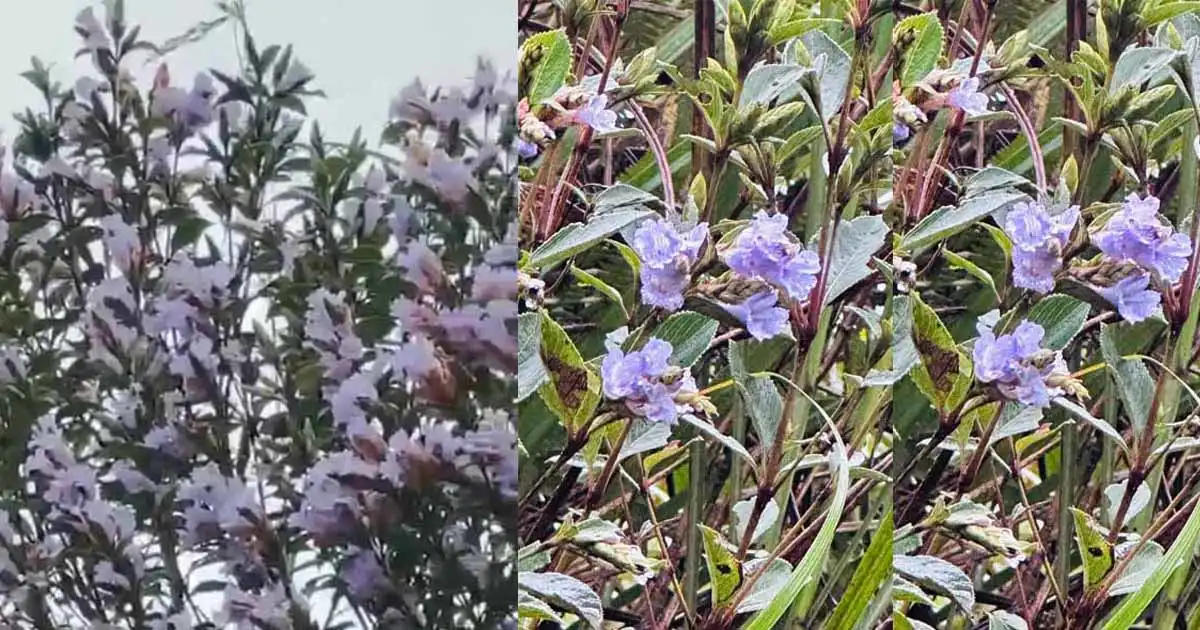
MUNNAR, KERALA: Colourful Kurinji flowers appearing across parts of the Munnar hills are attracting the attention of travellers and nature enthusiasts, but visitors should be aware of an important distinction: the current flowering should not be confused with Munnar’s famous 12-year Neelakurinji bloom.
The true Neelakurinji (Strobilanthes kunthiana), known for transforming large stretches of Munnar’s hillsides into shades of blue and purple, last experienced its major flowering season in 2018. According to Kerala Tourism, the next predicted opportunity to witness this spectacular mass flowering is 2030.
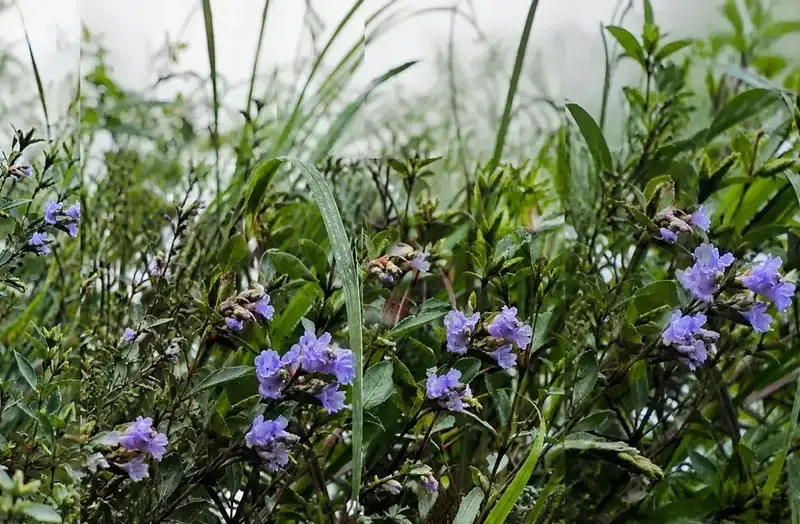
The current flowers being seen in some parts of the Munnar region have reportedly been identified as Mettukurinji, a different variety of Kurinji. Unlike the famous mass flowering of Strobilanthes kunthiana, different Kurinji varieties can have different flowering cycles. Kerala Tourism notes that the Kurinji group includes several varieties and that flowering does not necessarily occur simultaneously across all species.
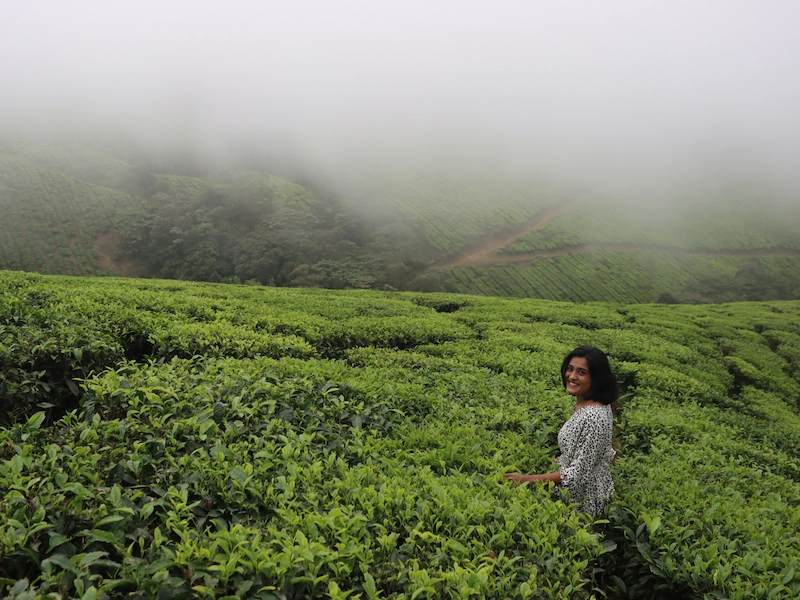
Although the present blooms are not the much-anticipated 12-year Neelakurinji spectacle, they are nevertheless a beautiful natural attraction. The purple and bluish flowers against Munnar’s green grasslands, tea plantations and mist-covered mountains are drawing travellers interested in photography, nature and seasonal experiences.
The distinction is particularly important because photographs and videos circulating on social media have recently led to confusion among travellers planning visits to Munnar. Recent reporting has highlighted the need to verify whether images being shared actually represent the rare Neelakurinji bloom.
For travellers, this does not mean that Munnar has to be avoided until 2030. The hill station remains attractive throughout the year, with its tea plantations, grasslands, waterfalls, viewpoints, wildlife and changing seasonal landscapes.
The current Mettukurinji flowering offers visitors another opportunity to experience Munnar’s remarkable floral diversity. At the same time, nature lovers waiting for the iconic Neelakurinji mass flowering should mark 2030 on their calendars.
For Munnar’s tourism industry, accurately communicating the difference is important. Promoting the present Kurinji blooms for what they are, while preserving the significance of the genuine 12-year Neelakurinji season, can help travellers plan their visits with realistic expectations.
Munnar therefore has a beautiful floral attraction to offer now — but the next major Neelakurinji season is still a few years away.