MUNNAR NEWS
Amphibian and Reptile Survey to Begin Across Munnar Wildlife Division
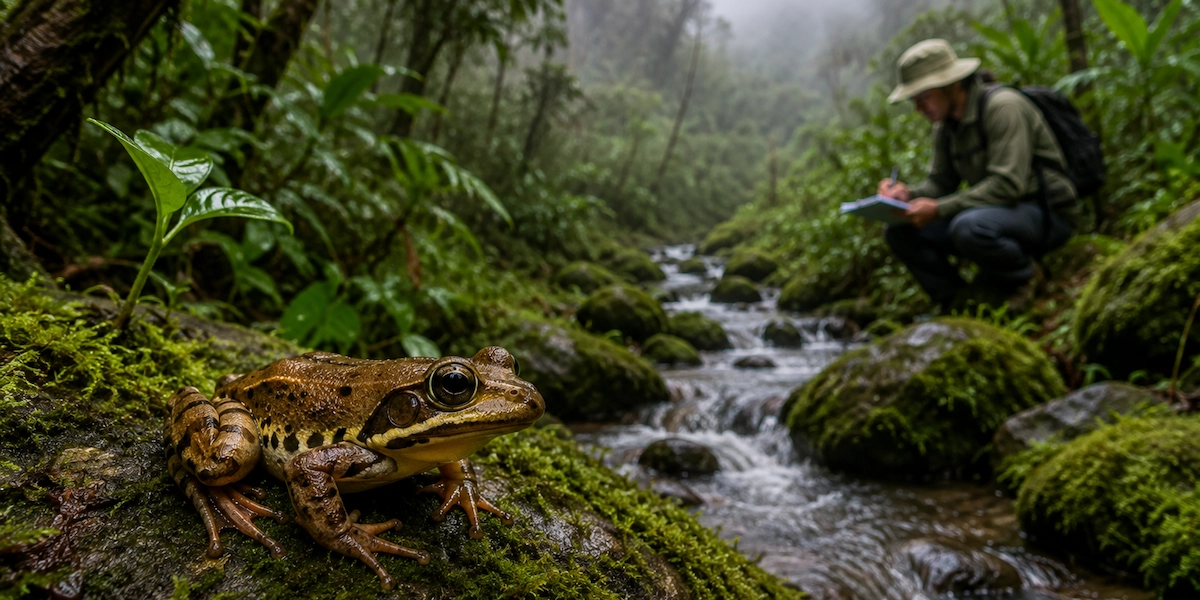
Image: AI-generated illustration
MUNNAR, KERALA: A four-day scientific survey of amphibians and reptiles will be conducted across the Munnar Wildlife Division from September 3 to 6, as part of efforts to strengthen biodiversity documentation and conservation planning in the high ranges of Idukki.
The survey will cover some of the most ecologically important protected areas in the Munnar landscape, including Eravikulam National Park, Anamudi Shola National Park, Pambadum Shola National Park, Mathikettan Shola National Park and Kurinjimala Sanctuary. The programme is aimed at documenting the diversity and distribution of amphibian and reptile species across these varied mountain habitats.
Focus on Munnar's lesser-known wildlife
While Munnar is widely known for the Nilgiri tahr, Neelakurinji and its spectacular mountain landscapes, its shola forests and high-altitude grasslands also support a remarkable range of smaller and less visible species.
Amphibians are particularly important indicators of ecological health because many species depend on clean streams, moist forest habitats and stable microclimatic conditions. The Munnar landscape is also known for a high degree of endemism, with several amphibian species found only in parts of the Western Ghats.
Existing scientific assessments underline the biodiversity importance of the protected areas included in the survey. For example, the management plan for Anamudi Shola National Park records 19 amphibian species, with all recorded species being endemic to the Western Ghats.
Similarly, an earlier assessment in Pambadum Shola National Park recorded 17 amphibian and 16 reptile species. The management plan notes that a large proportion of the amphibians recorded there are Western Ghats endemics and calls for detailed and periodic surveys to improve documentation of species richness.
Building updated biodiversity data
The latest survey is expected to contribute to a more updated understanding of the distribution and status of amphibians and reptiles within the Munnar Wildlife Division.
Such information can be important for identifying species and habitats requiring greater protection, monitoring changes in wildlife populations and supporting future management decisions in protected areas.
The Munnar Wildlife Division is headed by a Wildlife Warden and manages several important protected landscapes, including Eravikulam, Anamudi Shola, Pambadum Shola and Mathikettan Shola national parks and Kurinjimala Sanctuary.
Importance for Western Ghats conservation
The survey also highlights the wider ecological significance of Munnar as part of the Western Ghats, one of India's most important biodiversity regions.
Wildlife conservation organisations working in the Munnar landscape have noted the importance of generating baseline information and conducting long-term monitoring of threatened amphibian species. Such data can help researchers and forest managers understand population trends, habitat requirements and conservation priorities.
With Munnar attracting increasing attention during the tourism season, scientific programmes such as this also reinforce the importance of protecting the region's fragile forest, stream and high-altitude ecosystems.
The findings from the four-day assessment could provide valuable additional information on the amphibian and reptile diversity of the Munnar landscape and contribute to future biodiversity conservation efforts in the region.