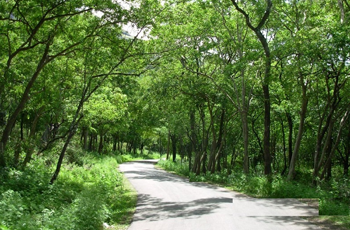
Marayoor Sandalwood: Exploring the Only Natural Sandalwood Forest in Kerala
Kerala, often referred to as "God's Own Country," is a land of diverse landscapes, from serene backwaters to misty hill stations. However, hidden within the rain-shadow region of the Idukki district lies a treasure that is as rare as it is fragrant: the Marayoor Sandalwood Forest.
As the only place in Kerala where sandalwood grows naturally, Marayoor (also spelled Marayur) offers a unique ecological and cultural experience. For travelers visiting Munnar, a detour to Marayoor is not just a trip into the woods; it is a journey into the heart of India’s "liquid gold" heritage.
The Geographic Marvel of Marayoor
Marayoor is located approximately 40 kilometers from Munnar, perched at an altitude that transitions from the lush, tea-covered hills of the Western Ghats to a drier, scrub-forest ecosystem. This specific microclimate—characterized by low rainfall and rocky terrain—is exactly what the Santalum album (Indian Sandalwood) requires to thrive.
Unlike plantations where trees are pampered, the sandalwood in Marayoor is wild. The struggle for survival in this rugged terrain is precisely what gives Marayoor sandalwood its world-renowned quality. The trees here are famous for having a high concentration of santalol, the essential oil responsible for the wood’s signature aroma and medicinal properties.
Why Marayoor Sandalwood is Unique
While sandalwood grows in various parts of India, particularly in Karnataka, the Marayoor variety holds a special place in the global market.
- High Oil Content: Due to the unique soil composition and the age of the trees, Marayoor sandalwood often yields a higher percentage of oil compared to cultivated varieties.
- Natural Regeneration: This is not a man-made forest. The ecosystem sustains itself, with birds and small mammals playing a crucial role in seed dispersal.
- The "Heartwood" Factor: As a sandalwood tree matures, it develops "heartwood"—the dark, fragrant center of the trunk. In Marayoor, the slow growth rate ensures that this heartwood is incredibly dense and potent.
A Walk Through the Fragrant Groves
Visiting the Marayoor Sandalwood Forest is a sensory experience. The air carries a subtle, woody sweetness that intensifies after a light rain. The forest is under the strict protection of the Kerala Forest Department to prevent smuggling and illegal felling.
Visitors can observe the trees from designated paths. Each tree is numbered and geotagged, reflecting its immense value. You will notice that the older trees are often surrounded by protective fencing or are located within "sandalwood reserves" that are heavily guarded.
The Sandalwood Factory
While you cannot simply pick up a piece of wood from the forest floor, you can visit the Government Sandalwood Depot in Marayoor. Here, the wood is processed, graded, and stored. It is one of the few places where you can learn about the extraction process and the strict auctions that govern the sale of this precious commodity.
Beyond the Aroma: The Megalithic Secrets of Marayoor
Marayoor is not just about its flora; it is a site of immense historical significance. The region is home to Muniyaras, or dolmens, which date back to the Neolithic age.
- Ancient Burial Chambers: These structures, made of four stones placed on edge with a fifth one covering them as a lid, were used as burial chambers or habitations by ancient civilizations.
- Rock Paintings: In areas like Attala and Ezhuthupala, you can find prehistoric rock paintings depicting animals and human figures, offering a glimpse into the lives of people who inhabited these forests thousands of years ago.
Combining a visit to the sandalwood forests with a tour of the Muniyaras provides a comprehensive look at how nature and human history have intertwined in this valley for millennia.
The Cultural Significance of Sandalwood in Kerala
In Kerala, sandalwood (known as Chandanam) is deeply woven into the fabric of daily life and spirituality. It is used in:
- Temple Rituals: Sandalwood paste is applied to the foreheads of devotees as a symbol of purity and coolness.
- Ayurveda: It is a core ingredient in treatments for skin ailments, stress, and inflammatory conditions.
- Perfumery: Marayoor oil is a "fixative" in high-end perfumes, helping other scents last longer on the skin.
The Challenges of Conservation
The "Liquid Gold" of Marayoor is under constant threat. Because a single mature tree can be worth lakhs of rupees, sandalwood smuggling is a persistent issue. The Kerala Forest Department employs specialized "Sandalwood Guards" who patrol the forest 24/7.
Conservation efforts also focus on protecting the "host plants." Sandalwood is a hemi-parasite, meaning it derives some of its nutrients from the roots of neighboring trees. To save the sandalwood, the entire biodiversity of the Marayoor valley must be preserved.
Plan Your Visit: Travel Tips for Marayoor
If you are planning a trip to Munnar, Marayoor is an essential day trip. Here is everything you need to know:
- Best Time to Visit: The months from September to March are ideal. The weather is pleasant, and the forest is at its most vibrant.
- How to Get There: Marayoor is about 40 km from Munnar town. You can hire a cab or take a local bus heading towards Udumalpet. The drive itself is spectacular, passing through the Eravikulam National Park and the Lakkam Waterfalls.
- Where to Stay: While many stay in Munnar, there are several eco-resorts and homestays in Marayoor that offer a more rustic and quiet experience.
- Nearby Attractions: * Lakkam Waterfalls: A beautiful cascade located en route to Marayoor.
- Chinnar Wildlife Sanctuary: Located just beyond Marayoor, it’s home to the endangered Grizzled Giant Squirrel.
- Kanthalloor: Known as the "Fruit Bowl of Kerala," this nearby village grows apples, strawberries, and oranges.
Sustainable Tourism: Your Responsibility
As a visitor to this delicate ecosystem, it is vital to practice responsible tourism:
- Do Not Litter: The forest is home to various wildlife species; plastic waste is a major threat.
- Respect the Trees: Do not attempt to peel bark or take "souvenirs" from the forest. It is a punishable offense.
- Support Local Artisans: Buy genuine sandalwood products only from government-authorized outlets to ensure your money supports conservation and legal trade.
The Marayoor Sandalwood Forest is more than just a collection of trees; it is a living monument to Kerala's natural wealth. In a world of synthetic fragrances and rapid deforestation, Marayoor stands as a fragrant sanctuary of authenticity. Whether you are a nature lover, a history buff, or someone seeking the soul of Kerala, the whispering sandalwood trees of Marayoor await to tell you their ancient story.
Experience the magic of Marayoor—where the air is scented with history and every tree is a guardian of the past.
0 Comments
Post Comment