The History of Tea in Munnar: From Colonial Roots to Global Fame
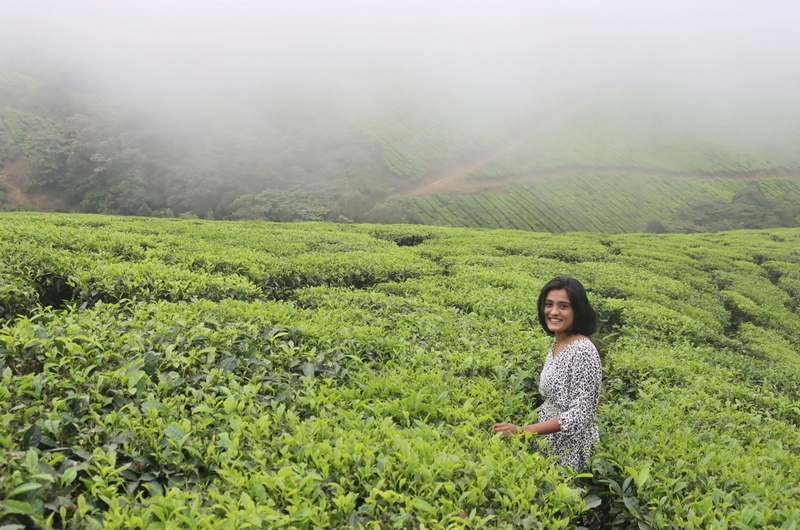
Close your eyes and imagine a landscape where mountains wear a velvet cloak of infinite green. As the morning sun pierces through thick blankets of mist, it reveals rows upon rows of neatly manicured shrubs, clinging to the steep slopes of the Western Ghats. This is Munnar—a place where time seems to slow down, and the air itself carries the faint, brisk aroma of drying tea leaves.
For many travellers, Munnar is simply a picturesque hill station. However, beneath the scenic beauty lies a fascinating saga of grit, colonial ambition, and botanical transformation. The history of tea in Munnar is not just a story of agriculture; it is the biography of a landscape that was reshaped by human hands to become one of the most famous tea-producing regions on the planet.
Munnar Before Tea Plantations: The Untamed Wilderness
Before the first tea sapling was ever planted, Munnar was a vastly different world. Known as the "Three Rivers" junction (where the Mudrapuzha, Nallathanni, and Kundala rivers meet), the region was a dense, impenetrable jungle. It was the ancestral home of the Muduvan tribal community, who lived in harmony with the wild elephants, tigers, and Nilgiri Tahrs that roamed the shola forests.
Early explorers described the terrain as "formidable." The peaks, including Anamudi—the highest point in India south of the Himalayas—were shrouded in mystery. It wasn't until the late 19th century that the British, seeking relief from the sweltering heat of the Indian plains and looking for new economic frontiers, turned their gaze toward these misty heights.
Colonial Beginnings: The Pioneers of the High Ranges
The story of British tea plantations in Kerala began not with tea, but with curiosity. In 1877, John Daniel Munro, a British lawyer and resident of the Travancore kingdom, visited the High Ranges for a boundary dispute settlement. He was so captivated by the beauty and the perceived agricultural potential of the land that he acquired about 580 square kilometers from the Poonjar Raja, the local chieftain.
The Trial and Error Phase
Initially, the British didn't know which crop would thrive. The early pioneers, including Munro and H.G. Turner, experimented with various cash crops:
Coffee: The first major attempt, which unfortunately failed due to a devastating "leaf rust" disease.
Cinchona: Grown for quinine (to treat malaria), but market prices fluctuated wildly.
Sisal and Cardamom: Found some success but weren't lucrative enough for large-scale industrial interest.
It wasn't until 1880 that tea was introduced. A.H. Sharp, an enterprising planter, cleared a small patch of land at Parvathi, which is now part of the Sevenmallay Estate. He planted the first tea saplings, and to the delight of the colonial entrepreneurs, the shrubs thrived in Munnar’s acidic soil and cool, damp climate.
Birth of the Tea Industry: The Growth of Munnar’s Estates
Once tea was identified as the "green gold" of the hills, the landscape changed rapidly. If you’ve ever wondered who started tea plantations in Munnar on an industrial scale, the credit goes to the Kannan Devan Hills Produce Company.
In the late 1890s, Sir John Muir of Finlay & Muir (a Glasgow-based firm) purchased the concession lands and formed the company. This marked the shift from individual "planter-explorers" to organised, corporate tea production.
Building an Empire in the Clouds
Developing tea estates in Munnar, Kerala, was a herculean task. There were no roads, no electricity, and no heavy machinery.
The Ropeway and Monorail: To transport tea chests down to the plains, the British built a sophisticated monorail pulled by bullocks, which was later upgraded to a light railway and a gravity-fed ropeway system.
The 1924 Flood: A turning point in Munnar’s history occurred in 1924, when a catastrophic monsoon wiped out much of the infrastructure, including the railway. However, the resilient planters rebuilt, replacing the rail with the winding road networks that tourists use today.
The Role of Tata and Modernization
In the mid-20th century, as India moved toward independence, the ownership of these massive estates began to transition. In 1964, a historic collaboration began between Tata Group and James Finlay Ltd., forming Tata-Finlay. By the 1980s, Tata took full control, bringing modern management, scientific agricultural practices, and global branding to Munnar tea.
Today, much of the tea landscape is managed by Kannan Devan Hills Plantations (KDHP) Company Private Limited. In a unique social experiment, this became the first tea plantation in India where the employees hold a majority stake, ensuring that the legacy of the pioneers continues through the people who actually tend the land.
Life in the Tea Plantations: The Social Fabric
The Munnar tea plantations history is incomplete without acknowledging the workers. Since the High Ranges were sparsely populated, thousands of labourers were brought from the neighbouring state of Tamil Nadu.
Over generations, these workers developed a unique "plantation culture." They lived in "layams" (row houses), established their own temples and churches, and created a localized economy. The socio-economic impact was profound—transforming a wilderness into a bustling colonial-style township with its own hospitals, schools, and social clubs (like the iconic High Range Club, which still preserves the British-era atmosphere).
Munnar Tea Goes Global: Why It’s Unique
What makes Munnar tea stand out on the world stage? It is a combination of Terroir and Altitude.
High Altitude: Munnar is home to some of the highest-grown teas in the world (Kolukkumalai). High altitude slows the growth of the plant, concentrating the flavors and antioxidants.
The Flavor Profile: Munnar teas are known for being brisk, golden-yellow in the cup, and possessing a distinct "sweetness" and floral note that is often compared to Nilgiri teas but with more body.
International Recognition: Today, tea from Munnar is exported to the UK, Russia, USA, and the Middle East, recognized as a premium single-origin product.
Tea Tourism in Modern Munnar: A Traveller’s Delight
The history of tea tourism in Munnar, India, began as a way to diversify the plantation economy. It has now become the primary reason people visit.
1. The Tea Museum (KDHP Museum)
Located at the Nallathanni Estate, this is a must-visit. It houses the original machinery from the 1920s, old photographs of the British pioneers, and a demonstration room where you can learn about the stages of tea processing: Withering, Rolling, Fermentation, and Drying.
2. Tea Tasting Experiences
Modern tourism in Munnar allows you to go beyond looking at shrubs. You can attend tea-tasting sessions where experts teach you to identify different grades—from the strong "Dust" tea preferred in Indian chai to the delicate "Whole Leaf" grades favored by connoisseurs.
3. Plantation Stays
Several heritage bungalows, once occupied by British "Periya Dorai" (Big Bosses), have been converted into luxury stays. Sleeping in a 100-year-old wooden bungalow surrounded by tea gardens offers a glimpse into the colonial lifestyle.
Top Tea Experiences for Travellers
If you are planning a trip, make sure to include these tea-centric activities:
Visit Kolukkumalai: It requires a rugged jeep ride, but visiting the world’s highest organic tea plantation is a bucket-list experience. The factory here still uses the "Orthodox" method of tea making.
Early Morning Walks: Take a guided walk through the Sevenmallay or Lockhart estates. Seeing the "tea pluckers" at work with their nimble fingers is a lesson in patience and skill.
Lockhart Tea Factory: One of the oldest functioning factories in the region, offering guided tours that explain the journey from leaf to cup.
Best Time to Visit Tea Plantations
Post-Monsoon (September to November): The gardens are at their lushest green after the rains.
Winter (December to February): The best time for photography. The morning frost on the tea leaves and the clear blue skies make for stunning visuals.
Summer (March to May): While the plains are hot, Munnar is cool. It’s also the time for "clearing" and new growth in the plantations.
Why Tea History Makes Munnar Special
The history of tea in Munnar is what gives the hills their soul. Without the tea industry, Munnar might have remained a quiet forest. Instead, it is a blend of heritage, nature, and culture. Every cup of Munnar tea you drink is a tribute to the thousands of laborers and the visionary pioneers who transformed these rugged mountains into a global garden.
Travel Tips for Your Munnar Tea Tour
How to Reach: Munnar is best reached by road from Kochi (approx. 4 hours). Hire a Munnar taxi to enjoy the scenic hair-pin bends and waterfalls along the way.
What to Pack: Light woolens for the evenings, comfortable walking shoes for estate tours, and a raincoat (Munnar can be misty and drizzly even in the "dry" season).
Responsible Tourism: When visiting estates, do not pluck the tea leaves or litter. Stick to marked paths to avoid disturbing the fragile mountain ecosystem.
Plan Your Heritage Journey with Munnar.com
Ready to walk through the pages of history? At Munnar.com, we help you discover the best plantation stays, guided factory tours, and authentic tea shopping experiences. Whether you're a solo traveller seeking peace or a family looking for an educational holiday, the tea gardens of Munnar are waiting for you.
[Explore our Munnar Tour Packages] | [Book a Heritage Plantation Stay Today]
0 Comments
Post Comment