MUNNAR NEWS
Elephant Corridor Reopened Between Chinnakanal and Mathikettan to Support Wildlife
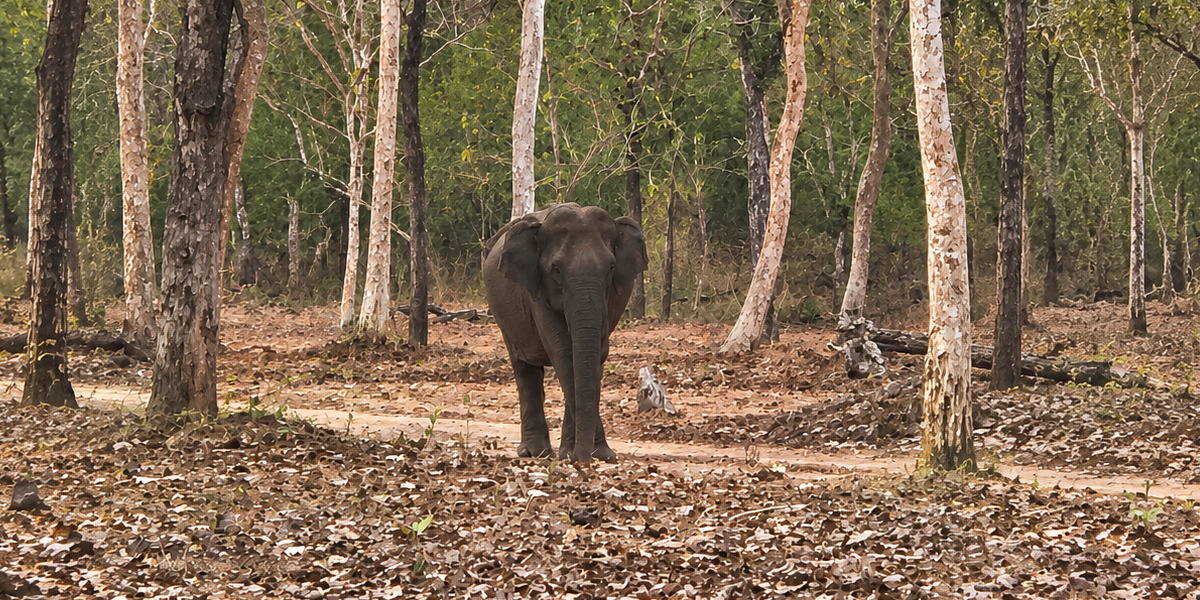
AI-enhanced version of the original image
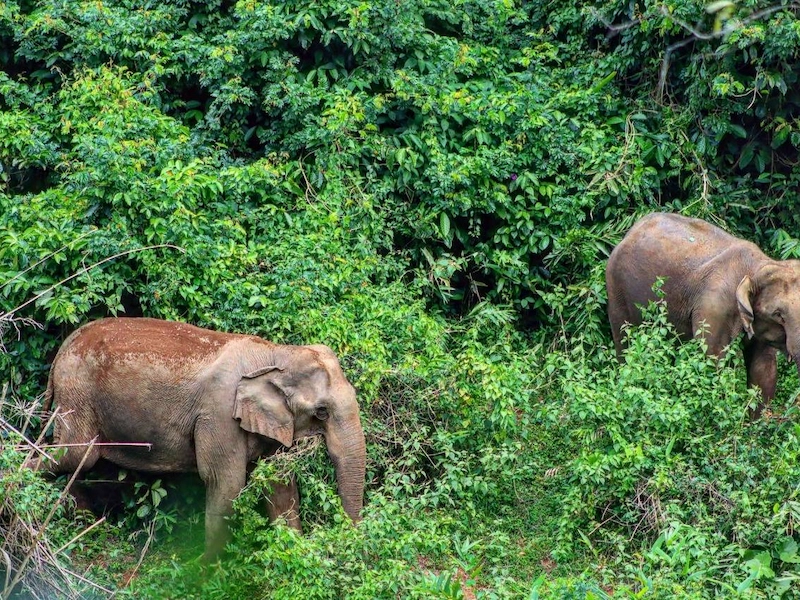
The Kerala Forest Department has restored a traditional elephant movement corridor connecting Chinnakanal and the Mathikettan region in Idukki district, taking an important step towards protecting wildlife habitats and improving connectivity between forest areas.
According to reports, the department removed unauthorised fencing and other obstructions that had interfered with the movement of wild elephants along this traditional route. Restoring access to the corridor is expected to support the natural movement of elephants through the landscape and strengthen ongoing wildlife conservation efforts in the Munnar region.
Protecting Traditional Wildlife Routes
Elephants require extensive habitats to find food, water and shelter. Traditional movement corridors allow them to travel between forest areas in response to seasonal changes and resource availability.
When fencing, buildings or other human-made barriers block these routes, elephants may be forced to move closer to roads, settlements and agricultural land. This can increase the likelihood of encounters between people and wildlife, sometimes resulting in damage to property and risks to both humans and animals.
The restoration of the Chinnakanal–Mathikettan corridor highlights the importance of identifying and protecting wildlife movement routes as development expands across the high ranges of Idukki.
Significance for Munnar and Chinnakanal
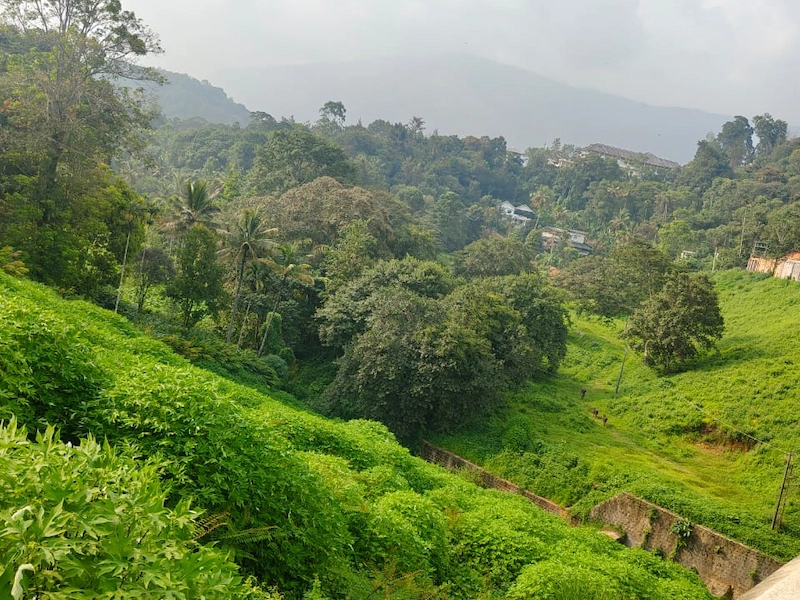
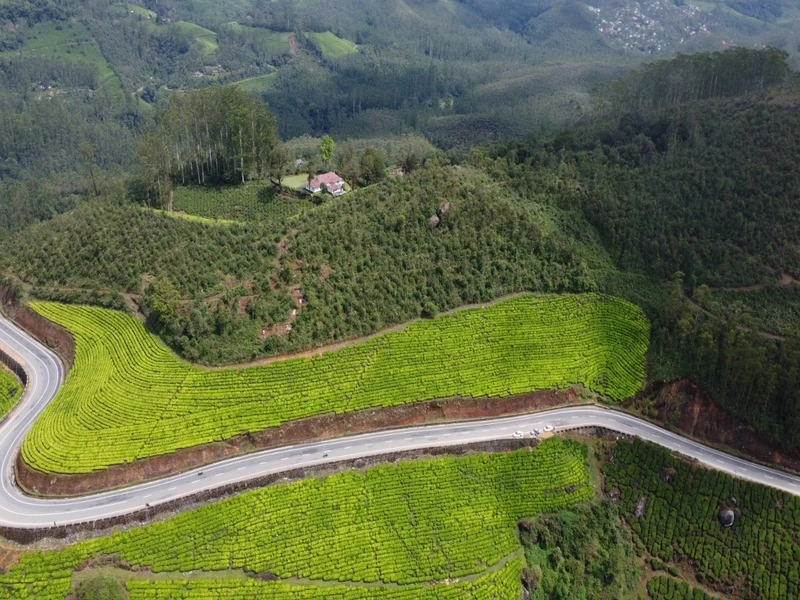
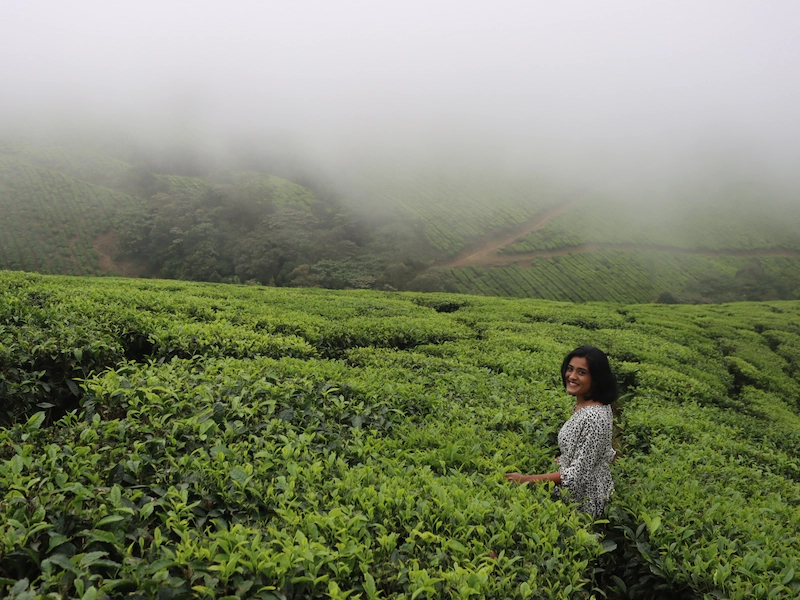
The Chinnakanal region, located near Munnar, is known for its forest landscapes, tea plantations, mountain scenery and rich wildlife. The surrounding landscape forms part of an ecologically important area in the Western Ghats.
Restoring traditional elephant routes can contribute to long-term habitat conservation and help wildlife authorities manage human–elephant interactions more effectively. However, corridor restoration alone cannot eliminate human–wildlife conflict, and continued monitoring and community cooperation remain essential.
Responsible Tourism and Wildlife Safety
The development also underlines the importance of responsible tourism in Munnar, Chinnakanal and nearby destinations. Visitors should maintain a safe distance from wild elephants, avoid feeding or approaching them, refrain from blocking their movement and follow instructions issued by Forest Department personnel.
Tour operators, resorts and local businesses can support conservation by educating guests about wildlife safety and respecting protected habitats.
As tourism continues to grow across Idukki's high ranges, protecting natural landscapes and maintaining wildlife connectivity will be essential to balancing visitor experiences with the conservation of Kerala's biodiversity.